
Low-and-Slow on a Kettle Grill: Expert Techniques Without a Big Smoker
When most people think about authentic barbecue, visions of massive offset smokers and towering stick-burners come to mind. But you don’t need a 500-pound steel pit to master the art of low-and-slow barbecue.
With the right setup and a few expert techniques, your humble kettle grill can produce competition-worthy smoked ribs, brisket, chicken, and pork shoulder.
This guide walks you through the science, equipment hacks, and pro tips that transform your kettle into a smokehouse—without breaking the bank or giving up your backyard space.
The Science of Low-and-Slow Cooking
Barbecue magic happens when collagen and connective tissue in meat slowly break down at low temperatures (225–275°F), turning tough cuts into melt-in-your-mouth perfection. Holding steady heat and clean smoke for hours is the challenge—and the kettle grill, with its domed lid and adjustable vents, is actually a great tool for mastering this balance once you know the techniques.
- Low Heat: You need consistent, indirect heat around 225–275°F.
- Clean Smoke: Thin, blue smoke (not thick, white billows) adds flavor without bitterness.
- Time: Long cooks give meat the chance to tenderize and absorb smoke flavor.
Essential Tools for Kettle Smokehouse Success
- Charcoal Baskets or Dividers: Position coals on one side for indirect heat while leaving space for your meat opposite the fire.
- Water Pan: An aluminum pan filled with water under the meat adds humidity, stabilizes temperature, and catches drippings.
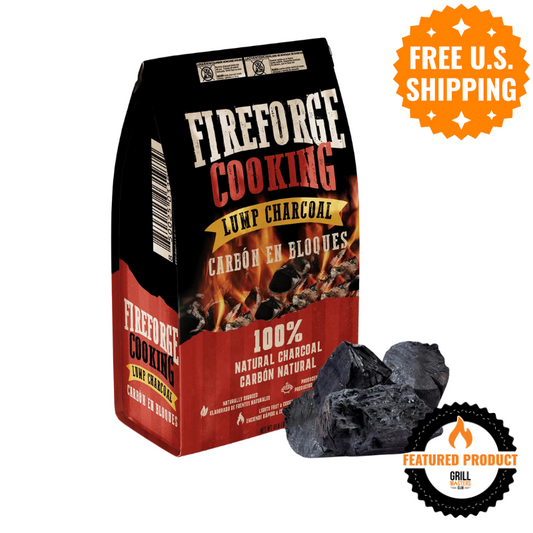
- Quality Charcoal: Hardwood lump burns hotter and cleaner, but briquettes offer longer, steadier burns; many pitmasters use a mix.
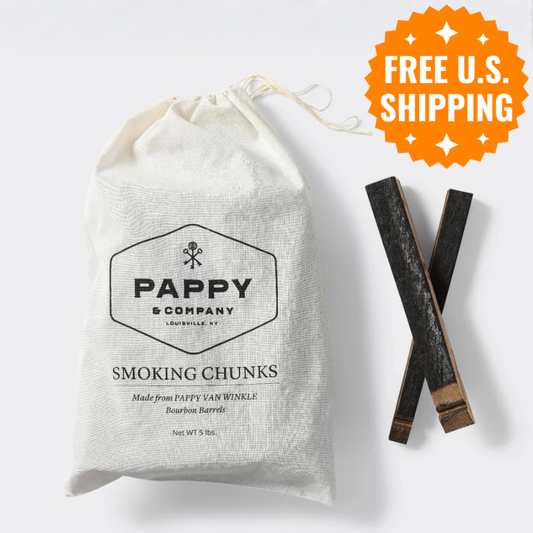
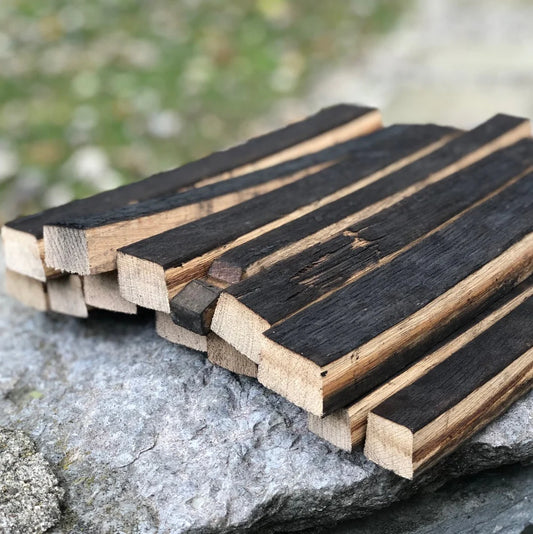
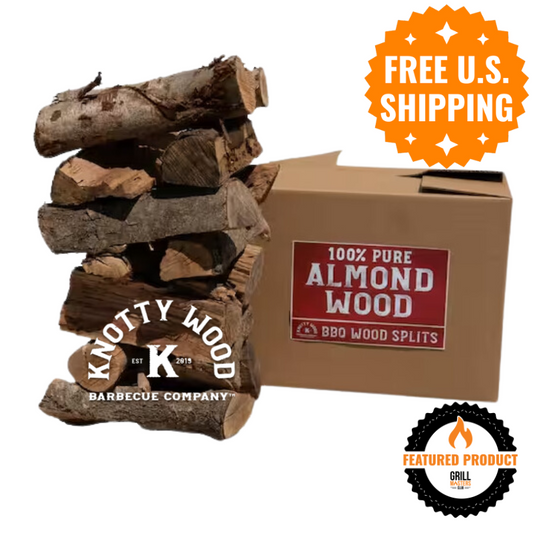
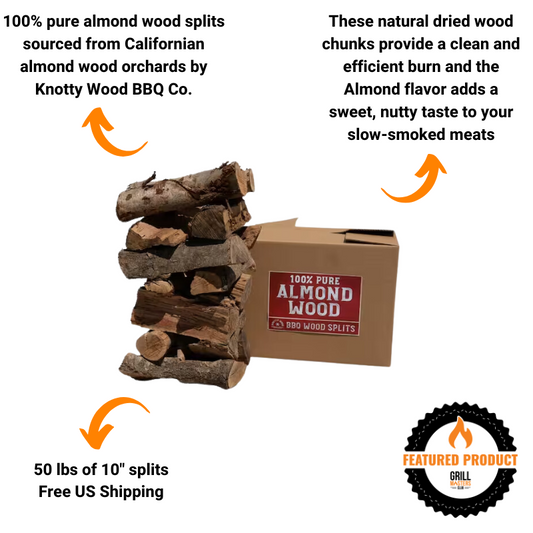
- Wood Chunks (Not Chips): Chunks burn slower and produce steadier smoke than chips. Hickory, oak, pecan, apple, and cherry are classics—mix fruitwood with a stronger hardwood (like mesquite) for balance.
- Digital Thermometer & Probe: Don’t rely on the dome thermometer. Place one probe at grate level for ambient temperature and another inside the meat.
The Charcoal Snake (or Fuse) Method
One of the most reliable kettle techniques is the charcoal snake (also called the fuse or semicircle method).
Setup: Arrange briquettes in a C-shaped semicircle around the inner edge of the kettle, two briquettes wide and two tall. Add wood chunks on top every few inches.
Light just one end of the snake with a half chimney of hot coals. As the fire slowly burns down the line, it feeds itself for 6–10 hours of consistent heat.
This method is excellent for ribs, pork shoulder, or brisket. Watch the video below!
The Minion Method
Another option is the Minion method, where a small number of lit coals are poured over a pile of unlit briquettes. The fire slowly spreads, igniting coals as it burns down. This approach works well for cooks lasting 4–6 hours.
Vent Control: Your Secret Weapon
Airflow is everything on a kettle grill:
- Bottom Vents: Control how much oxygen feeds the fire.
- Top Vent: Governs exhaust and smoke flavor.
Pro tip: Keep the top vent fully open almost all the time to let smoke escape cleanly, then regulate heat with the bottom vents in small adjustments. Think of it like dialing in a carburetor.
Meat Positioning and Smoke Flow
Always place your meat on the opposite side of the fire for indirect cooking. Position wood chunks directly above the burning coals to create bursts of clean smoke as the fire moves through the fuel. The dome lid circulates heat and smoke, essentially turning the kettle into a convection smoker.
Maintaining Clean Smoke
Thick white smoke is the enemy—it can make food acrid. Aim for a thin, almost invisible blue haze. To achieve this:
- Use dry wood chunks (not soaked).
- Let the fire stabilize before putting meat on.
- Don’t overload with wood; 3–4 chunks spread along the snake are usually enough.
Advanced Pro Tips
- Use a Drip Pan with Liquid Flavor Boosts: Add apple juice, cider vinegar, or beer to your water pan to layer subtle flavors.
- Rotate Meat Sparingly: Every time you lift the lid, you lose heat and smoke. Trust the process.
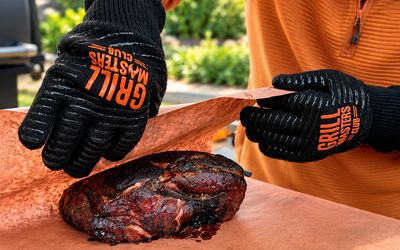
- Wrap at the Stall (The "Texas Crutch"): For brisket or pork shoulder, when internal temp stalls around 160–170°F, wrap tightly in foil or butcher paper to push through while keeping moisture locked in.
- Experiment with Accessories: Kettle rotisserie rings, temperature controllers, and cast-iron grates can all elevate your results.
Kettle Grill Smokehouse Recipes
- Competition Ribs: Use the snake method, cook at 250°F for 3 hours unwrapped, 2 hours wrapped, 1 hour glazed.
- Texas-Style Brisket: Slow smoke at 250°F with oak until 165°F internal, then wrap and cook until probe-tender around 200–205°F. (Check out our Baller Brisket Accessory Bundle for all the accessories you need to nail your next brisket cook!)
- Pulled Pork Shoulder: 8–12 hours on the snake, spritzed with apple cider vinegar every hour after the first 3. Aim for an internal temperature of 203-205°F and a clean bone pull.
Final Thoughts
A kettle grill may look simple, but with the right fuel setup, airflow management, and patience, it can rival the results of much larger smokers. Whether you’re chasing the perfect brisket bark or juicy smoked ribs, the kettle is proof that great barbecue isn’t about the size of your pit—it’s about mastering the fundamentals of fire, smoke, and time.
The next time you crave authentic low-and-slow barbecue, skip the oversized rigs. Fire up your kettle, set the vents, and let your backyard transform into a smokehouse.
Join 100,000+ Grill Masters
Get weekly recipes, pro tips, and exclusive deals sent straight to your inbox. Plus your free Pit Card download and 10% off your first order.