Pro Tip: How to Use Sweet BBQ Sauces Without Burning Them
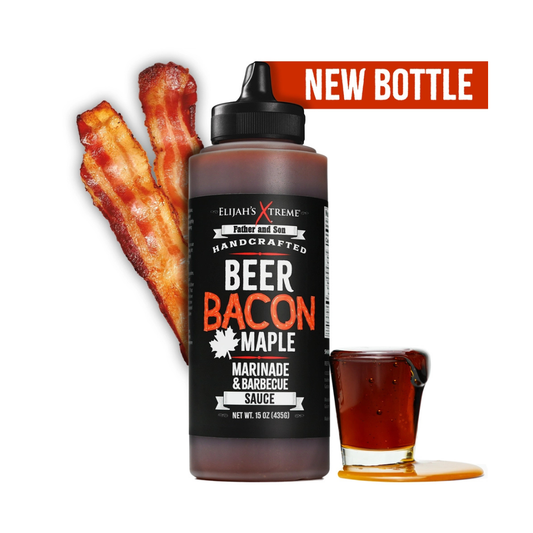
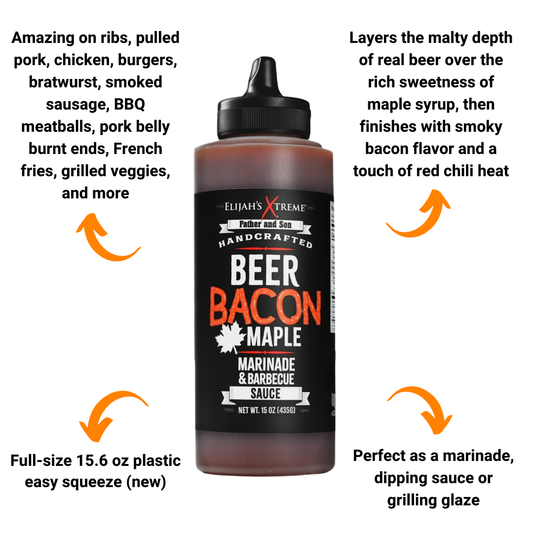
This pitmaster pro tip was originally featured in our Backyard Revival BBQ Box, a grilling season kickoff collection built around bold sauces, layered flavor, and backyard barbecue mastery. With products like Whiskey Bent Maple Bacon BBQ Sauce and Cherry Street Espresso BBQ Sauce included in the box, mastering sweet sauce timing and heat control becomes one of the easiest ways to elevate your cooks from good to unforgettable.
Sweet BBQ sauces can create a beautiful sticky glaze, rich color, and incredible flavor, but they can also burn fast if you use them too early or over too much heat. Whether you’re brushing maple bacon sauce onto pork chops, glazing chicken wings, finishing ribs, or adding a final layer to smoked sausage, the secret is knowing when to sauce, how much to apply, and how to control your heat.
If you’ve ever ended up with bitter, blackened sauce instead of a glossy BBQ finish, you’re not alone. Most sweet BBQ sauces contain sugar from ingredients like brown sugar, honey, maple syrup, molasses, fruit, or tomato. Those sugars are what make BBQ sauce delicious, but they also need the right timing to caramelize instead of scorch.
Why Sweet BBQ Sauces Burn So Easily
Sweet BBQ sauces burn because sugar reacts quickly to high heat. When sauce is exposed to direct flame or intense grill heat for too long, the sugars can move past caramelization and turn bitter. That’s the difference between a beautiful lacquered glaze and a burnt, sticky mess.
This is especially important with sauces that include maple, honey, brown sugar, fruit, or molasses. These ingredients are fantastic for flavor, but they should usually be treated as a finishing layer, not a cooking marinade over direct heat.
The Golden Rule: Sauce Near the End
The most important rule for using sweet BBQ sauce is simple: apply it near the end of the cook. For most grilled or smoked meats, that means brushing sauce on during the final 5 to 15 minutes, depending on the temperature and cooking method.
- Hot grill: Sauce during the final 1 to 3 minutes.
- Moderate indirect heat: Sauce during the final 5 to 10 minutes.
- Low-and-slow smoker: Sauce during the final 10 to 20 minutes.
The goal is to warm the sauce, let it tighten, and allow the sugars to caramelize lightly without giving them enough time to burn.
Use Indirect Heat First, Then Finish Carefully
One of the best ways to prevent BBQ sauce from burning is to use a two-zone setup. Cook the meat over indirect heat first, then apply sauce once the meat is nearly done. After the sauce starts to set, you can move the meat briefly over direct heat for color and caramelization.
This method works especially well for pork chops, chicken wings, burgers, sausage, ribs, and grilled chicken. Think of direct heat as the finishing move, not the main event.
Build Thin Layers Instead of One Heavy Coat
A thick layer of sauce can burn on the outside before it has a chance to set properly. Instead, brush on a thin layer, let it tack up, then add another light coat if you want more flavor.
This creates a better glaze because each layer has a chance to tighten and cling to the meat. Pitmasters often use this technique on ribs, chicken, pork belly, and burnt ends because it builds shine, color, and depth without turning the sauce bitter.
How to Know When BBQ Sauce Is Set
A properly set sauce should look glossy, slightly tacky, and attached to the surface of the meat. It should not look wet, runny, or pooled. If you touch it lightly with a brush or tongs, it should cling instead of sliding off.
For chicken wings, sausage bites, pork chops, and ribs, a few minutes over indirect heat after saucing is usually enough to set the glaze. If you want more color, finish briefly over direct heat, but watch closely.
How to Fix Sauce That Is Starting to Burn
If your BBQ sauce starts getting too dark, move the food away from direct heat immediately. Close the lid and let indirect heat finish the cook more gently. If the sauce is thick and sticky, you can thin it slightly with apple cider vinegar, butter, broth, or even a splash of water before brushing on another light layer.
A little char is flavor. Burnt sugar is bitterness. The difference usually comes down to heat control and timing.
Best Meats for Sweet BBQ Sauces
Sweet BBQ sauces are incredibly versatile when used correctly. They work especially well with meats that benefit from contrast: smoky, salty, spicy, or fatty foods.
- Pork chops: Apply during the final minute or two after searing.
- Chicken wings: Toss after crisping, then return to heat briefly to set.
- Sausage bites: Smoke first, then glaze in a pan until sticky.
- Ribs: Brush during the final 15 minutes of low-and-slow cooking.
- Burgers: Use as a finishing sauce or mix into toppings like BBQ onions.
- Pork belly or burnt ends: Sauce during the pan phase, then uncover to caramelize.
Pair Sweet Sauces With Savory Rubs
One of the biggest mistakes backyard cooks make is layering sweet sauce over an already overly sweet rub. That can make the final dish feel flat or candy-like. For better balance, pair sweet BBQ sauces with savory, peppery, smoky, or herb-forward seasonings.
A classic BBQ rub can build bark and color, while a steakhouse-style seasoning can add pepper, garlic, herbs, and savory depth. This contrast keeps the final bite balanced and makes the sauce taste more complex.
Common Mistakes to Avoid
- Saucing too early: This is the fastest way to burn sugar-based sauces.
- Using direct heat the whole time: Sweet sauces need gentle heat to set properly.
- Applying too much sauce at once: Thick layers burn and slide off.
- Walking away after saucing: Once sauce hits heat, stay close.
- Forgetting to rest the meat: Resting helps juices settle and keeps the glaze intact.
Quick BBQ Sauce Timing Guide
| Food | When to Sauce | Best Method |
|---|---|---|
| Chicken Wings | After crisping, final 2–3 minutes | Toss, then set over heat |
| Pork Chops | Final 1–2 minutes | Brush lightly after sear |
| Ribs | Final 10–15 minutes | Thin layers over indirect heat |
| Sausage Burnt Ends | After initial smoke | Glaze in pan, then uncover |
| Burgers | Final minute or as topping | Use as glaze or BBQ onion base |
Final Pitmaster Takeaway
Sweet BBQ sauces are some of the best tools in your grilling arsenal, but they need to be handled with control. Cook the meat first, manage your heat, apply sauce late, and build thin layers until the glaze is shiny, tacky, and caramelized.
Master that timing, and you’ll get everything you want from a sweet BBQ sauce: rich flavor, beautiful color, sticky texture, and a finish that tastes bold instead of burnt.
Frequently Asked Questions
When should I put BBQ sauce on meat?
For sweet BBQ sauces, apply sauce near the end of the cook. On a hot grill, sauce during the final 1 to 3 minutes. On a smoker or indirect setup, sauce during the final 10 to 20 minutes.
Why does my BBQ sauce burn?
BBQ sauce burns when its sugars are exposed to high heat for too long. Ingredients like maple, honey, brown sugar, fruit, and molasses caramelize quickly and can turn bitter if left over direct heat.
Should I sauce ribs before smoking?
It’s better to season ribs with rub first, smoke them until tender, then apply sauce near the end. This builds bark first and prevents the sauce from burning during the long cook.
How do I get BBQ sauce to stick to chicken wings?
Cook wings until the skin is crisp, then toss them in warm sauce and return them to heat for a few minutes. This helps the sauce tighten and cling instead of staying wet.
Can I use BBQ sauce as a marinade?
You can, but sugar-heavy sauces are better used as finishing glazes. If using BBQ sauce as a marinade, wipe off excess before grilling and finish with a fresh layer near the end.
Join 100,000+ Grill Masters
Get weekly recipes, pro tips, and exclusive deals sent straight to your inbox. Plus your free Pit Card download and 10% off your first order.