
1776 All American Smoked Brisket
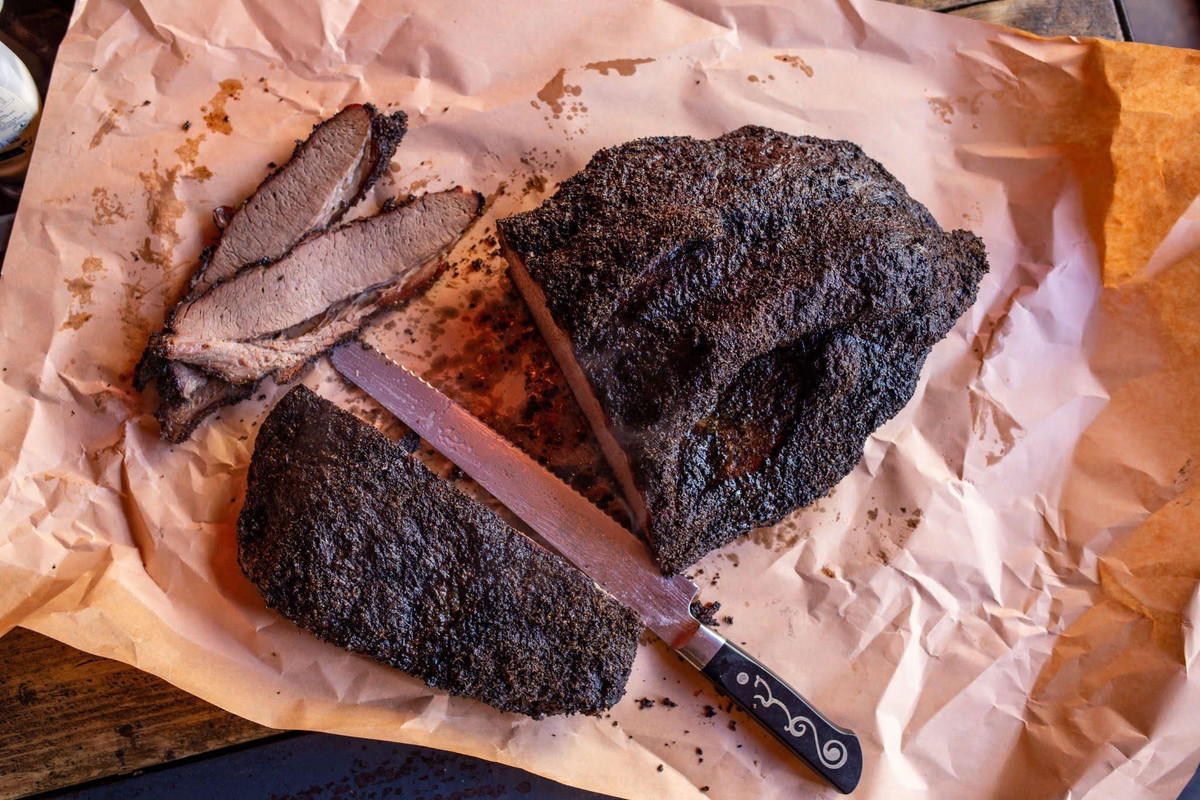
Few barbecue cooks are more iconic than a properly smoked brisket. This 1776 All American Brisket recipe from our America 250 Commemorative BBQ Bundle pays tribute to the rich tradition of Texas barbecue, combining patience, simple ingredients, and proven techniques to create a centerpiece worthy of any backyard gathering. By layering Rufus Teague Steak Rub with Heath Riles Competition BBQ Rub, this brisket develops a bold, beef-forward flavor profile with a deep mahogany bark that barbecue enthusiasts chase on every cook.
The key to great brisket is understanding that barbecue is a process, not a race. This recipe embraces the low-and-slow approach, allowing smoke, seasoning, and rendered fat to work together over the course of an all-day cook. The steak rub provides a savory foundation that highlights the natural richness of the beef, while the competition-style seasoning adds balance, color, and complexity to the bark. Combined with post oak smoke and a vinegar-based spritz, every layer contributes to a brisket that is both flavorful and visually impressive.
One of the standout techniques in this recipe is rendering the brisket trimmings into beef tallow during the cook. Adding that freshly rendered tallow when wrapping helps preserve moisture, enhances richness, and creates the luxurious texture that separates a good brisket from a great one. As the brisket pushes through the stall and slowly becomes probe tender, the connective tissue breaks down into succulent, melt-in-your-mouth slices.
Perhaps the most important step comes after the brisket leaves the smoker. A long rest allows the meat to reabsorb its juices and continue tenderizing, resulting in slices that are moist, tender, and easy to cut. Whether you're serving family on a holiday weekend, celebrating America's barbecue heritage, or simply tackling your next brisket cook, the 1776 All American Brisket delivers classic smokehouse flavor with competition-worthy results.
8-10
30 minutes
Low and slow brisket is the foundation of Texas barbecue. This method builds a deep, flavorful bark using a steakhouse-style rub layered with competition seasoning, finished with a long rest for tender, sliceable results.
Directions
Preheat the smoker to 225°F. For brisket, we like to use post oak for smoking, but you can use mesquite or your choice of wood.
Prepare the brisket: Remove any hard fat from the exterior and all sides of the brisket using a filet or boning knife. Round the edges of the flat (the thinner portion), and remove any silver skin. The goal is to make the brisket aerodynamic. Save all of the fat, add it to a foil pan and smoke it with the brisket to create beef tallow for the wrapping stage of this cook. Save excess tallow to use as cooking oil.
Apply a thin layer of mustard, oil or tallow as a binder to all sides of the brisket.
Season brisket heavily with Rufus Teague Steak Rub, then a light layer of Heath Riles Competition BBQ Rub.
Place brisket on the smoker:
Pellet grill: fat side down
Offset smoker: fat side up (so your fat is toward the heat, on an offset, the hot air is at the top)Smoke for 6–8 hours undisturbed to build bark.
Begin spritzing lightly every 60–90 minutes using the vinegar and water mixture.
Continue cooking until the internal temperature reaches 165–170°F and the bark is fully set. At this point, you might hit “the stall,” when the internal temperature of the brisket no longer continues to increase.
Remove brisket and increase smoker temperature to 250°F.
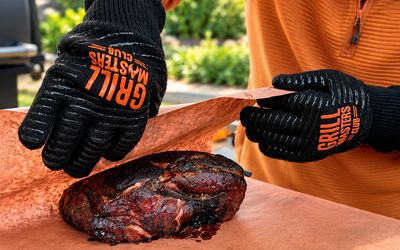
Wrap brisket tightly in butcher paper. If using rendered tallow, pour a small amount over the brisket before sealing.
Return to smoker and cook for an additional 3–5 hours until the brisket is probe tender throughout. The final internal temperature will typically fall between 198–203°F.
Remove brisket from the smoker once probe tender and place it, still wrapped, in a cooler or in the Drip EZ Meat Resting Blanket (available in the Pitmaster Shop) to rest for at least 2 hours before slicing. This resting stage is critical for allowing juices to redistribute and ensuring tender, sliceable results.
Slicing Instructions
Separate the flat and point where the grain changes direction.
Slice the flat into thin slices against the grain.
Slice the point against the grain or cube for burnt ends.
For more information on properly slicing a brisket, see our guide on “how to slice a brisket.”
Join 100,000+ Grill Masters
Get weekly recipes, pro tips, and exclusive deals sent straight to your inbox. Plus your free Pit Card download and 10% off your first order.