
Pro Tip: How to Build Flavor in Layers Like a Pitmaster
Most backyard cooks think great barbecue comes from finding the perfect rub or the perfect sauce. In reality, the best pitmasters know that incredible barbecue is not built from a single flavor. It is built through layers.
Every unforgettable rack of ribs, perfectly smoked pork butt, sticky wing, and reverse-seared steak is the result of multiple flavor-building steps working together. The secret is not using more seasoning. It is understanding when and how to apply flavor throughout the cook.
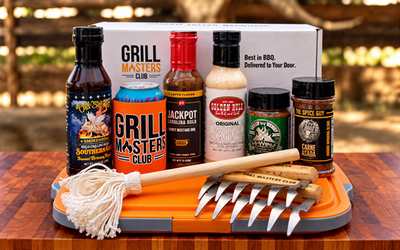
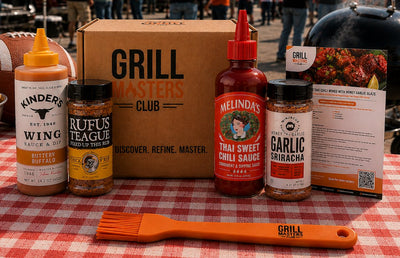
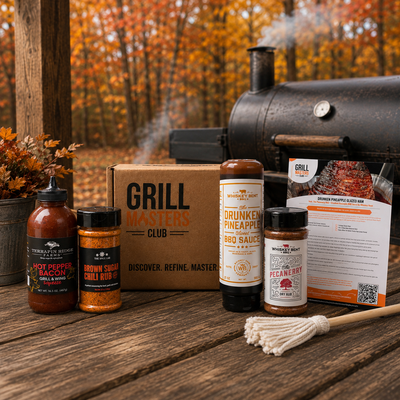
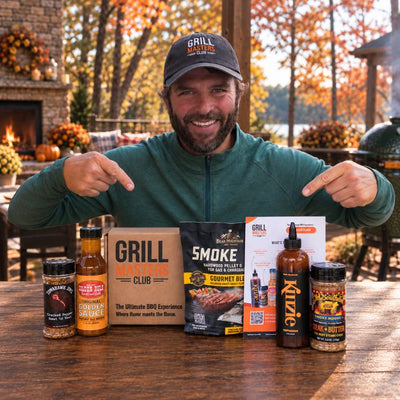
This pro tip is featured in our Flavor Flex BBQ Box, a lineup built around sweet heat, smoky depth, cherry-chipotle richness, and a classic SPG backbone.
What Does Layering Flavor Mean?
Flavor layering means building complementary flavors throughout different stages of cooking instead of relying on one seasoning or sauce to do all the work.
Think of barbecue like building a house. Your base seasoning is the foundation. Your signature rub adds personality. Smoke adds depth. Sauces and glazes provide the final finish.
When all of those layers work together, the final bite has balance, depth, and character. The meat still tastes like meat, but every layer adds something important.
Layer 1: Start with a Strong Foundation
The first layer is often the most overlooked. Before adding sweet rubs, spicy seasonings, or sticky sauces, many pitmasters start with a simple foundation of salt, pepper, and garlic.
That is why an SPG blend like Lane’s SPG Rub is so useful. It enhances the natural flavor of beef, pork, chicken, and vegetables while helping develop a flavorful crust or bark on the grill or smoker.
- Use SPG as a base layer for steaks, ribs, pork shoulder, burgers, and chicken.
- Apply it evenly instead of heavily.
- Let it support the meat rather than overpower it.
Layer 2: Add Personality with a Signature Rub
Once your base layer is down, it is time to add personality. This is where sweet, savory, spicy, or regional flavor profiles come into play.
Honey Garlic Sriracha Rub by Ninjacue (available in our Flavor Flex box) is a great example. It brings sweet honey, punchy garlic, and smooth sriracha heat together in one balanced rub.
When layered over SPG, it creates a deeper flavor profile than either seasoning would create on its own. The SPG gives you savory structure, while the Honey Garlic Sriracha adds sweetness, heat, and complexity.
- Use this approach on wings, ribs, pork belly burnt ends, and chicken.
- Keep the base layer lighter and the flavor rub more prominent.
- Avoid over-seasoning, especially when sauces will be added later.
Layer 3: Let Smoke Add Depth
Smoke is one of the most important flavor layers in barbecue, but it should be treated like seasoning. Too little smoke can leave your cook flat. Too much smoke can overpower everything else.
The right wood choice depends on what you are cooking and the flavor profile you are building.
| Wood | Flavor Profile | Best Uses | Available Products |
|---|---|---|---|
| Hickory | Bold, classic BBQ smoke | Ribs, pork shoulder, beef |
Hickory Chunks (10 lb) Hickory Chips (2 lb) |
| Oak | Balanced, versatile, medium smoke | Steak, brisket, pork | Oak Chunks (10 lb) |
| Cherry | Mild, fruity, adds beautiful color | Pork, chicken, ribs |
Cherry Chunks (10 lb) Cherry Chips (2 lb) |
| Apple | Light, sweet, and fruity | Chicken, pork, wings | Apple Chips (2 lb) |
| Pecan | Nutty, smooth, medium smoke | Pork belly, ribs, poultry |
Pecan Chunks (10 lb) Pecan Chips (2 lb) |
| Bourbon Barrel | Sweet oak, vanilla, and bourbon notes | Pork, beef, chicken |
Pappy Van Winkle Bourbon Barrel Chunks Bourbon & Red Wine Barrel Chunks |
The right wood is one of the most overlooked flavor layers in barbecue. Whether you're building classic hickory flavor for ribs, adding fruity sweetness with cherry and apple, or experimenting with bourbon barrel smoke, choosing the right wood can completely transform your cook.
Grab a 4-Pack of Smoking Chips
For sweet heat profiles, fruit woods like cherry and apple are excellent choices. For deeper, more classic barbecue flavor, hickory and oak are hard to beat.
Layer 4: Build a Glaze During the Cook
One of the biggest differences between average barbecue and pitmaster-level barbecue is understanding the difference between sauce and glaze.
A sauce is often added at the end. A glaze becomes part of the cook.
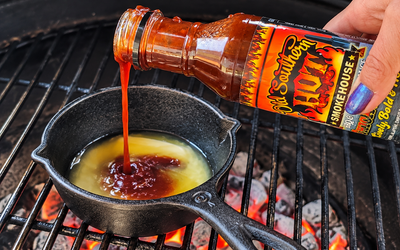
For example, in our Cherry Chipotle Competition-Style Party Ribs, Cherry Bomb BBQ Sauce by PS Seasoning is used as part of a buttery glaze layer. That sauce cooks onto the ribs, tightens up, and helps create a sticky, tacky finish.
Then, a final light layer of sauce is added near the end to bring back brightness, shine, and fresh cherry-chipotle flavor.
That two-stage approach gives you the best of both worlds:
- Cooked-in flavor from the glaze layer
- Sticky texture from caramelization
- Fresh flavor from the finishing sauce
- A glossy, photo-worthy BBQ finish
Layer 5: Finish Strong
The final layer is where many cooks either win or lose the dish. A finishing step does not need to be complicated, but it should be intentional.
For Pulled Pork
After shredding, lightly toss the pork with Rufus Teague Classic Garage Beer-B-Q Sauce instead of drowning it. This adds moisture and flavor while still letting the bark and smoke come through.
For Steak
Top a reverse-seared ribeye with a small pat of butter while it rests. The butter melts into the crust, adds richness, and helps carry the SPG seasoning across each slice.
For Wings
Toss wings in a warm glaze right after cooking. This helps the sauce cling to the skin and creates that sticky, glossy finish everyone wants.
Common Flavor Layering Mistakes
Using Too Much Rub
More seasoning does not always mean more flavor. Too much rub can make food salty, muddy, or overpowering.
Saucing Too Early
Most BBQ sauces contain sugar, which can burn if applied too early. Save heavier sauce applications for the final stages of the cook.
Skipping the Base Layer
A sweet or spicy rub can taste flat without a savory foundation underneath. A simple SPG base gives the rest of your flavors something to build on.
Over-Smoking
Smoke should complement your seasoning, not cover it up. Clean, balanced smoke is better than heavy, bitter smoke.
A Simple Pitmaster Flavor Formula
When in doubt, use this simple formula:
- Base Layer: Start with SPG or a simple savory seasoning.
- Flavor Layer: Add a signature rub for sweetness, heat, or regional character.
- Smoke Layer: Choose a wood that complements the meat and seasoning.
- Glaze Layer: Add sauce near the end so it can tighten and caramelize.
- Finish Layer: Add final sauce, butter, resting juices, or seasoning to complete the dish.
How This Applies to the Flavor Flex BBQ Box
The Flavor Flex BBQ Box was built around this exact idea. Each product in this curated collection plays a specific role in the layering process.
- Lane’s SPG Rub gives you a clean savory foundation.
- Honey Garlic Sriracha Rub by Ninjacue adds sweet heat and personality.
- Cherry Bomb BBQ Sauce by PS Seasoning creates sticky, cherry-chipotle glazes.
- Rufus Teague Classic Garage Beer-B-Q Sauce brings smoky, beer-infused BBQ depth.
- The Grill Masters Club Silicone Mop Brush helps you apply sauces and glazes with control.
Use them separately, or combine them to build your own flavor profile. That is the beauty of the box. You can flex your flavor depending on what you are cooking.
Final Thoughts
The best pitmasters do not rely on one magic rub or sauce. They build flavor step by step.
A simple base seasoning, a well-balanced rub, the right smoke, a properly timed glaze, and a thoughtful finish can transform an ordinary cook into something memorable.
That is the secret behind great barbecue.
Great flavor is not added all at once. It is built one layer at a time.
Join 100,000+ Grill Masters
Get weekly recipes, pro tips, and exclusive deals sent straight to your inbox. Plus your free Pit Card download and 10% off your first order.