

Prime Rib Cheat Sheet: Doneness Temps, Times and How Much to Buy
Prime rib is the most expensive thing most people ever put on a grill, and it gets cooked maybe twice a year. That's a rough combination: high stakes, low reps. So here's every number you need, on one page, in the order you'll need it.
The whole cheat sheet: buy one rib bone per two guests. Season with salt, pepper and garlic 12 to 24 hours ahead, uncovered in the fridge. Smoke at 250F, about 30 minutes per pound. Pull at 118F to 120F for medium rare. Rest 20 to 30 minutes while the cooker climbs to 500F+, then sear it hard for 6 to 10 minutes. Slice, and pour the au jus.
That's the reverse sear, and it's the whole reason prime rib is easier on a grill than in an oven. Everything below is the detail. If you want the seasonings, the sauces, the au jus and the twine already matched to this method, that's what the Ultimate Prime Rib Kit was built for.
The One-Screen Version
| Step | The number |
|---|---|
| How much to buy | 1 bone per 2 people, or about 1 lb bone-in per person |
| Dry brine | 12 to 24 hours, uncovered, in the fridge |
| Tie it | Butcher's twine between each bone |
| Smoker temperature | 250F, indirect |
| Cook time | About 30 minutes per pound |
| Pull at (medium rare) | 118F to 120F |
| Rest | 20 to 30 minutes, tented |
| Sear | 500F+, 6 to 10 minutes total |
| Final temperature | 130F to 135F, edge to edge |
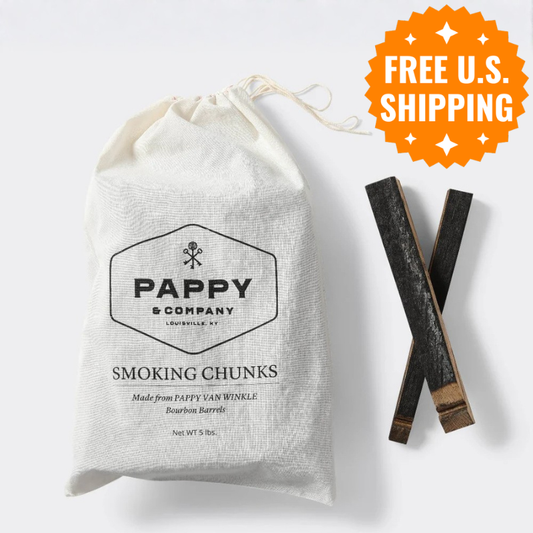
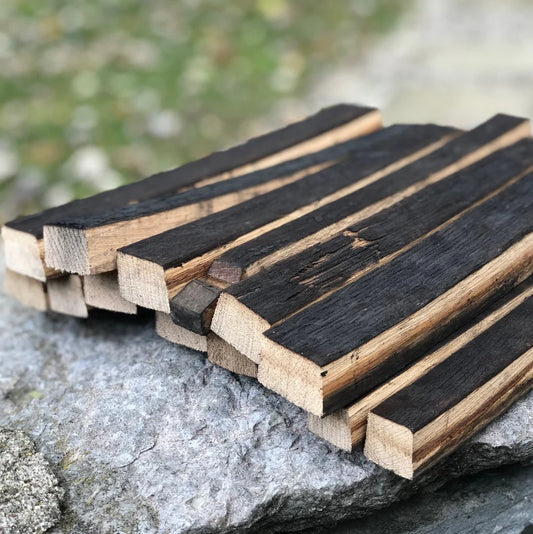
| Wood | Oak, and two or three chunks |
Prime Rib Doneness Chart
This is the only chart on the page that really matters, and the column people get wrong is the first one. You don't cook to your target. You cook to fifteen degrees below your target, because the roast keeps climbing while it rests and climbs again during the sear.
| Doneness | Pull off the smoker at | Final, after rest and sear | What the center looks like |
|---|---|---|---|
| Rare | 110F | 120F to 125F | Bright red, barely warm |
| Medium rare (our pick) | 118F to 120F | 130F to 135F | Warm red center, the classic steakhouse slice |
| Medium | 128F | 135F to 140F | Pink throughout, no red |
| Medium well | 138F | 145F | Faint pink, mostly brown |
A prime rib is not a steak. You can't take a bite and put it back on. Probe the thickest part of the center, well away from bone, and start checking a full hour before you think you need to.
For food safety, USDA guidance for whole cuts of beef is 145F with a three minute rest. Cooking a roast to medium rare is a personal call, the same one every steakhouse in America makes, and it's yours to make knowingly.
Buy one probe thermometer, not one prime rib.
Fifteen degrees is the entire difference between the best beef you've ever served and an expensive grey roast. That margin is too thin to guess at. Use a leave-in probe in the center for the cook and an instant-read to confirm in two other spots before you pull it.
How Much Prime Rib to Buy
| Bones | Roast weight | Serves | Planning window at 250F to 120F |
|---|---|---|---|
| 2 | 4 to 5 lbs | 4 to 5 | 2 to 2.5 hours |
| 3 | 6 to 7 lbs | 6 to 7 | 2.5 to 3 hours |
| 4 | 8 to 10 lbs | 8 to 10 | 3 to 3.75 hours |
| 5 to 6 | 11 to 14 lbs | 11 to 14 | 3.5 to 4.5 hours |
Notice the times don't double when the weight does. Prime rib cooks by thickness, not by total weight, and a 6-bone roast isn't any thicker than a 3-bone roast. It's just longer. That trips up everyone who plans with a straight minutes-per-pound multiplication.
What to Ask the Butcher
| Ask for | Why |
|---|---|
| The loin end, ribs 10 through 12 | Also called the first cut or small end. One large, uniform eye of meat instead of several muscles separated by fat. |
| Bone-in | The bones insulate one side and add flavor, and a standing rib roast is the whole point of the presentation. |
| "Cut the bones off and tie them back on" | The best trick on this page. You get every benefit of bone-in during the cook, and on carving day the bones lift off with one cut of the twine. |
| Prime if the budget allows, Choice otherwise | More marbling means more forgiveness. Choice cooked correctly beats Prime cooked to 150F every time. |
The Method, in Six Moves
- 1. Dry brine. Season hard with salt, pepper and garlic 12 to 24 hours ahead, then leave the roast uncovered on a rack in the fridge. The salt seasons all the way through and the surface dries out, which is exactly what a crust needs. Then layer a second, richer seasoning on the morning of. More on how to apply a dry rub.
- 2. Tie it. A loop of butcher's twine between each bone holds the roast in an even cylinder, which is how you get an even cook. Here's how the pros use butcher's twine.
- 3. Smoke at 250F. Indirect, fat cap up, probe in the center. Two or three chunks of oak. Then leave the lid alone.
- 4. Pull at 118F to 120F. Tent it loosely with foil and let it rest 20 to 30 minutes. It'll climb 5 to 10 degrees on its own while you get the cooker screaming hot.
- 5. Sear at 500F or higher. Six to ten minutes total, turning it, until the crust is dark and crackling. This is the same logic as reverse searing a steak, scaled up.
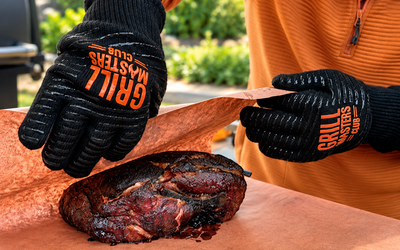
- 6. Slice and serve. Cut the twine, lift the bone rack off, and slice across the grain. Don't let it sit long after the sear, it already had its rest.
Best Wood for Prime Rib
| Wood | What it does | Use it when |
|---|---|---|
| Oak | Clean, medium, never overpowering | Your best all-around beef wood. Start here. |
| Hickory | Classic smokehouse punch | You want people to know it came off a smoker. |
| Pecan | Nutty, sits between oak and hickory | A holiday table with mixed tastes. |
| Cherry | Mild and sweet, beautiful color on the crust | Blended with oak, for looks as much as flavor. |
| Mesquite | Aggressive, and beef is the one place it belongs | One chunk, blended. Never a whole basket. |
Beef takes more smoke than poultry or pork, so you can be a little bolder here than you would be with a glazed ham. Full breakdown in the complete guide to smoking woods.
Five Ways to Lose a $150 Roast
| The mistake | What happens | The fix |
|---|---|---|
| Cooking hot from the start | A thick grey overcooked band under the crust with a raw core | 250F until it's nearly there, then sear. That's the entire reason to reverse sear. |
| Cooking to your target temperature | You wanted 135F and served 150F | Pull 15F below target. Carryover and the sear do the rest. |
| Skipping the dry brine | Seasoning sits on the outside, and a wet surface won't crust | Salt it 12 to 24 hours ahead, uncovered, on a rack. |
| Searing a cold roast straight from the rest | Weak crust, and the sear drags on long enough to overcook the edges | Get the cooker to 500F+ before the roast goes back on. Hot and fast. |
| Throwing away the drippings | You paid for that flavor and poured it into the sink | Skim the fat, build your au jus on what's left. |
Au Jus and the Table
Au jus isn't gravy and it isn't optional. It's thin, beefy and glossy, it goes in a small pitcher, and it's what makes leftover slices worth eating on Saturday.
Skim the fat off your drippings, build the jus on what's underneath, and taste before you salt, because a dry-brined roast has already contributed. On the table you want it next to a sharp, creamy horseradish, which is the traditional pairing for a reason: it cuts straight through the richness of a fatty slice. Our prime rib with horseradish sauce is the version we make most, and the five sides worth serving with it are worth a look before you default to mashed potatoes again.
Leftovers have one correct destination: the prime rib sandwich, dipped in the jus you saved.
Frequently Asked Questions
What temperature should prime rib be pulled at?
118F to 120F for medium rare. It finishes at 130F to 135F after resting and searing. Rare is 110F, medium is 128F, medium well is 138F.
How long does it take to smoke a prime rib?
About 30 minutes per pound at 250F. A 3-bone roast runs 2.5 to 3 hours. Because thickness drives the cook, bigger roasts don't scale in a straight line.
How much prime rib do you need per person?
One bone per two people, or about a pound of bone-in roast each.
Bone-in or boneless?
Bone-in, and ask the butcher to cut the bones off and tie them back on. Best of both.
Do you sear prime rib before or after smoking?
After. Searing first and then roasting leaves you with an overcooked outer ring. Smoke it low, rest it, then sear.
Can you cook prime rib ahead of time?
Not really, and we wouldn't. The window between perfect and ruined is about fifteen degrees wide, and reheating walks straight through it. Cook it the day of and build a 45 minute cushion into your timeline instead.
Should you dry brine a prime rib?
Yes. Season it generously with salt, pepper and garlic 12 to 24 hours ahead and leave it uncovered on a rack in the refrigerator. The salt seasons the meat all the way through and the dry surface is what lets you build a real crust during the sear.
What is the best wood for smoking prime rib?
Oak is the best all-around choice for beef. Hickory is the classic, pecan sits between the two, and cherry adds color and a little sweetness. Mesquite works on beef where it does not on poultry, but keep it to a single chunk.
Why do you reverse sear a prime rib?
Because a hot oven cooks a roast from the outside in, leaving a grey overcooked band under the crust. Smoking low at 250F brings the whole roast to temperature evenly, then a short blast of high heat at the end builds the crust without cooking the interior again. You get edge-to-edge pink.
Everything This Cheat Sheet Calls For
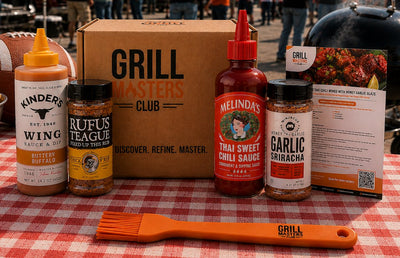
The Ultimate Prime Rib Kit brings together Salt, Pepper + Garlic by The Spice Lab for the dry brine, Hi-West Buttery Montana Herb for the second layer, Rufus Teague Steak Sauce, Terrapin Ridge horseradish squeeze, organic au jus, 200 feet of 16-ply butcher's twine and a step-by-step recipe card. Limited release. Ships free in the US.
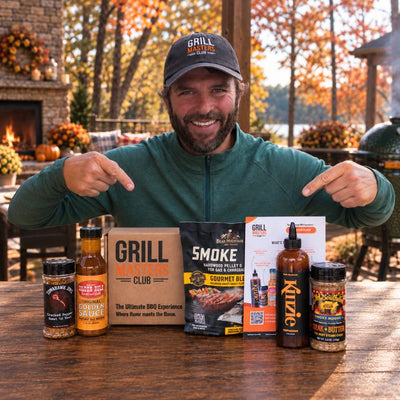
Twice a year isn't much practice for a cook this expensive. That's the case for a Grill Masters Club subscription: 5+ full-size sauces, rubs and tools you typically won't find at the supermarket, with recipes written around that exact box, showing up every couple of months. Discover something new. Refine how you cook it. Master it. Then do it again with a theme you've never tried. Come December, you'll have had the reps.
Prime Rib School
More holiday cheat sheets: smoked ham and smoked turkey. Shopping for the cook instead? Start with our BBQ gift guide.
Discover. Refine. Master.
Join 100,000+ Grill Masters
Get weekly recipes, pro tips, and exclusive deals sent straight to your inbox. Plus your free Pit Card download and 10% off your first order.