
Low & Slow vs Hot & Fast BBQ: Which Cooking Method Is Best?
Your Complete BBQ Temperature Strategy Guide
Every great pitmaster eventually learns this: barbecue isn’t just about recipes — it’s about temperature strategy.
Understanding the difference between low & slow and hot & fast cooking methods is one of the biggest leaps a backyard cook can make toward consistent, professional-level results.
Whether you’re smoking brisket Texas-style, cooking ribs for a weekend gathering, or searing steaks over live fire, knowing when to use each method changes everything.
What Is Low & Slow?
Low & slow cooking typically runs between 225–275°F over extended periods. It’s the foundation of traditional American barbecue.
- Ideal for collagen-rich cuts
- Maximizes fat rendering
- Encourages bark formation
- Builds layered smoke flavor
This method is central to regional traditions like Texas brisket technique and many styles outlined in our Definitive Guide to American BBQ Styles.
The Science Behind Low & Slow
Tough cuts like brisket and pork shoulder contain connective tissue rich in collagen. When cooked slowly, collagen converts to gelatin (as explained by food science authorities like Serious Eats and USDA meat science publications), creating that signature tender, juicy texture.
Low temperatures allow this transformation to happen without moisture loss overwhelming the meat.
What Is Hot & Fast?
Hot & fast cooking runs between 325–450°F and focuses on speed, browning, and aggressive heat.
- Best for tender cuts
- Maximizes Maillard reaction
- Creates crispy skin
- Shorter cook times
This method excels with steaks, chicken thighs, tri-tip, and reverse-seared brisket finishes.
The Science Behind Hot & Fast
Higher temperatures accelerate the Maillard reaction, the chemical process responsible for browning and deep savory flavor.
This makes hot & fast ideal when texture and crust are the priority.
Best Cuts for Each Method
| Cut | Low & Slow | Hot & Fast |
|---|---|---|
| Brisket | ✔ Classic Texas method | ✔ Advanced technique (300–325°F) |
| Pork Shoulder | ✔ Ideal | Not Recommended |
| Ribs | ✔ Traditional | ✔ Competition variation |
| Steak | Reverse sear start | ✔ Primary method |
| Chicken Thighs | ✔ Juicy finish | ✔ Crispy skin |
Hybrid Cooking: The Pitmaster Strategy
Most experienced pitmasters combine both methods.
Example:
- Start brisket low to build smoke and tenderness
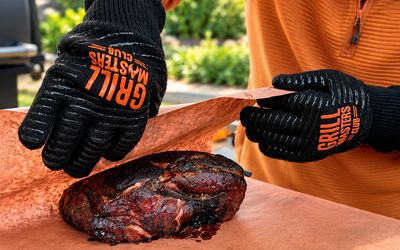
- Wrap in butcher paper
- Finish hotter to set bark
This hybrid approach is common in competitive barbecue.
How Grill Type Affects Your Temperature Strategy
Your grill influences how easily you manage these methods. If you’re still deciding what equipment fits your style, read our comprehensive grill selection guide.
- Gas grills favor hot & fast
- Charcoal handles both with skill
- Pellet grills excel at low & slow
- Offsets demand fire management mastery
Prep and Temperature Control Matter More Than Method
Method alone doesn’t guarantee results. Prep, trimming, resting, wrapping, and moisture management are just as critical.
That’s where quality gear makes a difference. Our full breakdown of prep-focused BBQ gear is covered in the Drip EZ BBQ Gear profile.
🔥 Smoking Brisket? Get Everything You Need in One Bundle.
Serious brisket requires serious tools. The Baller Brisket Accessory Bundle includes every essential accessory for prep, smoke, wrap, rest, and serve.
- Prep Tub
- Premium Butcher Paper
- Resting Blanket
- Heat-Resistant Gloves
- Spray Bottle
- Salt & Pepper Rub
- Beef Tallow
- Digital Thermometer
Low & Slow vs Hot & Fast: Which Is Better?
Neither method is superior. The right choice depends on:
- The cut of meat
- The time available
- The desired texture
- Your grill setup
Mastery comes from knowing when to use each.
Level Up Your BBQ Knowledge
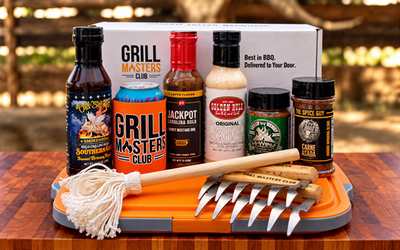
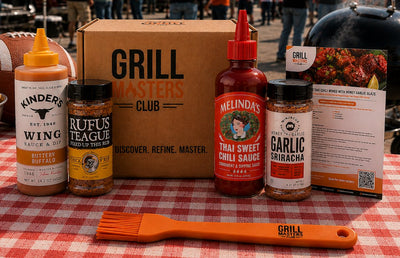
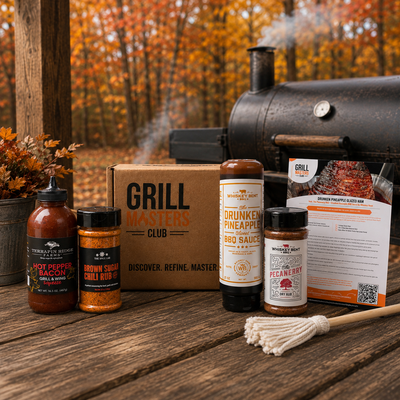
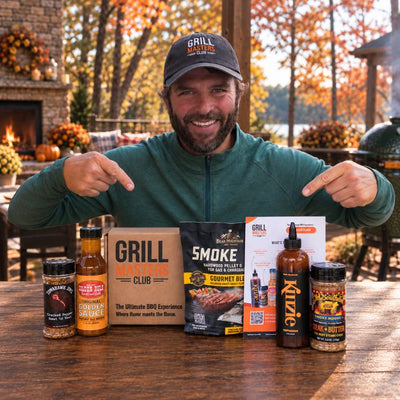
If you want to master regional techniques and temperature strategy, our Grill Masters Club subscription delivers curated rubs, sauces, and gear used by serious pitmasters nationwide.
Final Thoughts
Low & slow builds tenderness. Hot & fast builds crust. Hybrid cooking builds confidence.
Understanding temperature strategy is one of the most important steps toward cooking like a pitmaster.
Join 100,000+ Grill Masters
Get weekly recipes, pro tips, and exclusive deals sent straight to your inbox. Plus your free Pit Card download and 10% off your first order.