Which Grill Should I Buy? The Ultimate Guide to Choosing the Right Grill
“Which grill should I buy?”
It’s one of the highest-intent questions in outdoor cooking — and one of the most misunderstood.
The truth? There is no universal “best grill.” There is only the grill that fits how you actually cook.
This guide breaks down every major grill type — gas, charcoal, pellet grills, smokers, and specialty setups — so you can make a confident, informed decision based on your habits, food preferences, time commitment, and budget.
Whether you’re a weeknight burger cook, a weekend brisket enthusiast, or building a long-term backyard setup, this is your complete grill buying framework.
Step 1: Start With How You Actually Cook
Before comparing brands or fuel types, ask yourself:
- How often do you grill?
- What foods do you cook most often?
- Do you enjoy tending fire — or prefer convenience?
- Do you want quick cooks or long low-and-slow sessions?
- Are you cooking for two people or a crowd?
Every grill design involves tradeoffs. Clarity about your habits makes choosing dramatically easier.
Understanding Direct vs Indirect Cooking
Direct Heat (Fast & Hot)
Food sits directly over the heat source. Ideal for:
- Steaks
- Burgers
- Chicken breasts
- Sausages
- Vegetables
Indirect Heat (Convection Style)
Food cooks beside the heat source using airflow. Ideal for:
- Whole chickens
- Ribs
- Pork shoulder
- Brisket
- Roasts
The most versatile grills allow both zones simultaneously.
Gas Grills: Convenience & Speed
Why People Choose Gas
- Push-button startup
- Quick heat-up
- Easy temperature control
- Lower learning curve
Gas grills excel for frequent weeknight cooks and high-volume grilling.
Tradeoffs
- Lighter smoke flavor
- Less low-temp precision
- Requires strong grease management
Many experienced gas grillers improve performance dramatically through accessories — high-quality grill brushes, grill lighting for evening cooks, prep tubs for organized seasoning, and temperature-stable resting tools.
Explore performance grill cleaning & maintenance tools in our Grill Cleaning Collection.
Charcoal Grills: Fire, Flavor & Control
Why Charcoal Is Still Popular
- Stronger smoke profile
- Higher searing temperatures
- Fuel flexibility (lump or briquettes)
Charcoal can do both direct and indirect cooking extremely well when properly configured.
Tradeoffs
- Longer startup
- Manual airflow management
- Ash cleanup
Charcoal rewards technique. The flavor payoff can be significant — especially when paired with quality rubs and sauces.
Explore premium BBQ flavors here: Rufus Teague BBQ Collection
Pellet Grills: Precision + Wood Flavor
Pellet grills combine digital control with real wood fuel.
Strengths
- Consistent temperature control
- Set-it-and-forget-it capability
- Excellent for long cooks
Limitations
- Less aggressive searing
- Requires electricity
- Higher cost
Pellet grills are ideal for brisket, pork shoulder, ribs, and large-batch cooks.
Shop premium BBQ pellets from Knotty Wood here.
Dedicated Smokers: Built for Low & Slow
- Offset smokers
- Vertical smokers
- Ceramic smokers
Smokers prioritize airflow and extended cooking sessions. They require patience but deliver unmatched smoke depth.
Need fuel for your offset? We recommend 100% Pure Almond Wood Splits by Knotty Wood (46-50lb)
Flat Tops & Specialty Grills
- Flat tops: Smash burgers, breakfast, fajitas
- Ceramic grills: High heat + long low cooks
- Santa Maria grills: Live-fire elevation control
These often complement — not replace — a primary grill.
Budget vs Investment: What Actually Matters
Instead of focusing only on price, evaluate:
- Material thickness
- Heat retention
- Airflow design
- Ease of cleaning
- Parts availability
Many grillers improve results more by upgrading tools and flavors than by upgrading grills.
Accessories Often Matter More Than the Grill
A $500 grill with good tools often outperforms a $2,000 grill with poor organization and maintenance.
Smart upgrades include:
- High-quality grill brushes
- Prep tubs for seasoning
- Magnetic grill lights
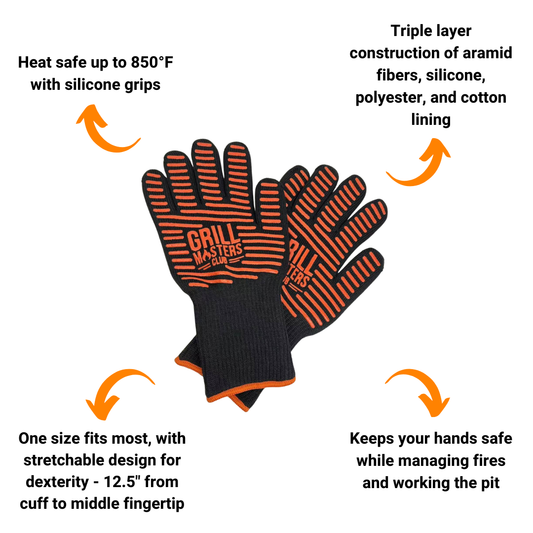
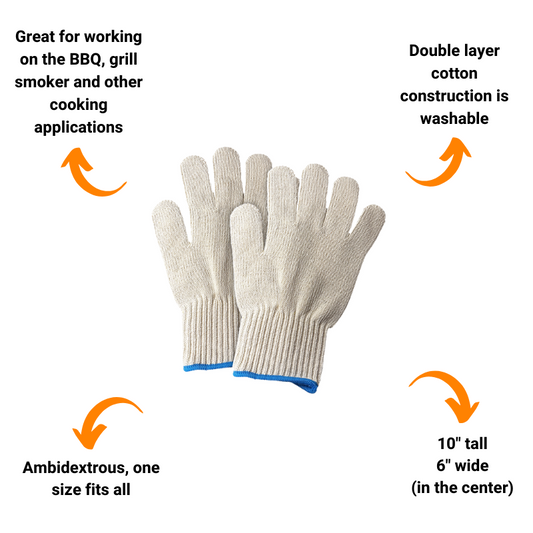
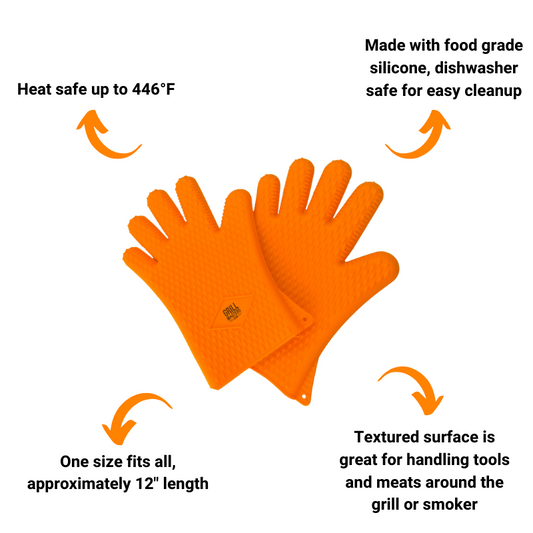
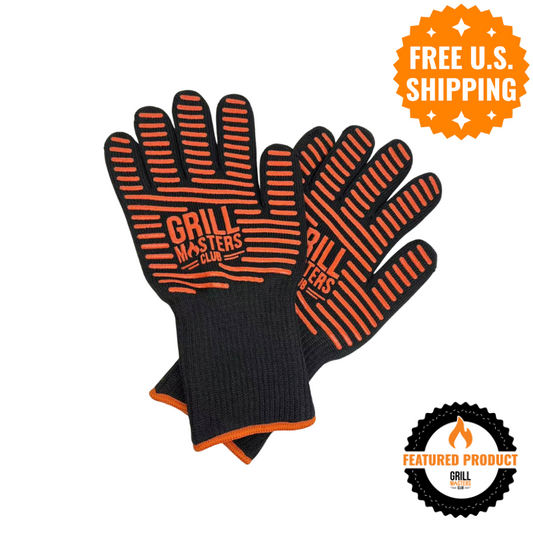
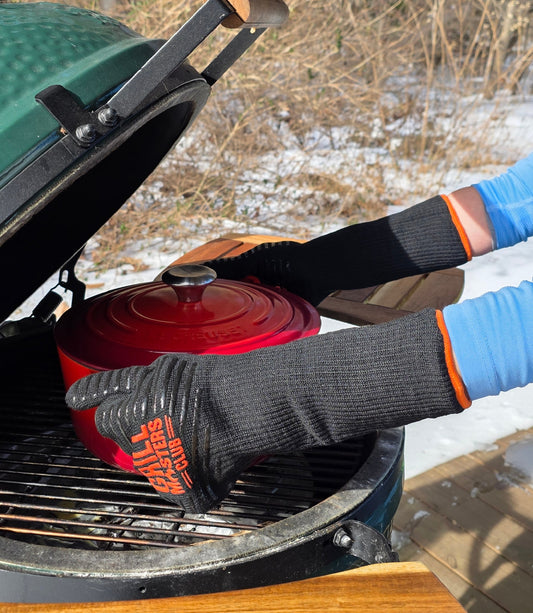
- Heat-resistant grilling gloves & mitts
- Resting blankets for large cuts
- Premium barbecue rubs and sauces
Explore curated accessories in our collections to expand any grill’s capability.
How Experienced Grillers Actually Choose
Most serious pitmasters don’t rely on one grill forever. They build a system:
- Fast grill for weeknights
- Charcoal or pellet for flavor depth
- Tools that expand versatility
The goal isn’t perfection. It’s frequency. The right grill is the one that makes you cook more often.
Frequently Asked Questions
What grill is best for beginners?
Gas grills or basic charcoal grills are easiest to start with.
Which grill has the best flavor?
Charcoal and wood-fired grills typically deliver the most pronounced smoke flavor.
Can one grill do everything?
Some grills are versatile, but all designs involve tradeoffs. Most pitmasters have multiple grills -- different cooks often require different grills.
Should I upgrade my grill or buy better accessories?
Accessories often deliver greater performance improvements before upgrading grills.
Final Thoughts
Choosing the right grill isn’t about chasing trends — it’s about aligning equipment with your cooking style.
When you understand direct vs indirect heat, fuel types, airflow, and maintenance, the decision becomes clearer.
Great grilling is less about the grill — and more about how you use it.
At Grill Masters Club, we focus on the tools, flavors, and accessories that help you maximize whatever grill you choose.
Join 100,000+ Grill Masters
Get weekly recipes, pro tips, and exclusive deals sent straight to your inbox. Plus your free Pit Card download and 10% off your first order.