Definitive Guide to American BBQ Styles
The Definitive Guide to American BBQ Styles (Texas, Carolina, KC, Memphis & More)
American barbecue isn’t one single cuisine—it’s a map of regional traditions shaped by local history, available wood, signature meats, and generations of technique. Once you understand the major styles, you don’t just “follow recipes”—you cook with intention: choosing the right cut, building the right flavor, and knowing what “authentic” is aiming for.
Table of Contents
What Defines a BBQ “Style”?
A barbecue style is usually defined by a few repeating elements. When you know these, you can identify a style almost instantly—without needing a label on the menu.
- Primary protein: brisket, pork shoulder, ribs, whole hog, chicken, or regional specialties
- Cooking method: low-and-slow smoking, direct grilling, or a mix of both
- Fuel + wood: post oak, hickory, pecan, fruit woods, or mixed hardwoods
- Seasoning philosophy: minimalist salt/pepper vs complex rub blends
- Sauce approach: vinegar, mustard, tomato-based, white sauce, or “optional”
- Serving traditions: chopped vs pulled, sliced brisket, dry ribs, burnt ends, etc.
Texas BBQ
Texas barbecue is meat-forward and technique-driven. In many Texas traditions, sauce is optional—and when used, it’s meant to complement the meat, not cover it.
What Texas BBQ Is Known For
- Brisket as the signature cut (especially in Central Texas)
- Simple seasoning (often just salt + coarse black pepper)
- Clean smoke and a strong focus on bark development
- Traditional woods like post oak (with regional variation)
Regional Texas Sub-Styles (Quick Breakdown)
- Central Texas: brisket spotlight, minimalist rub, post oak, butcher-paper wrapping culture
- East Texas: more sauced, often chopped; historically influenced by Southern traditions
- South Texas: can lean into barbacoa traditions and different cuts/seasoning
- West Texas: more “cowboy” direct-heat cooking in some traditions
Want the full framework—trim, seasoning, smoke quality, wrapping, resting, slicing? Read the dedicated pillar: Texas BBQ Deep Dive (Brisket, Fire, Bark, Rest & Slice). (If your final slug differs, swap the URL.)
Carolina BBQ
Carolina barbecue is pork-driven and sauce-forward in a very specific way: acid and spice are the backbone, designed to cut through rich smoked pork. It’s also one of the best examples of how “style” can change dramatically within a single region.
Eastern North Carolina
- Protein: traditionally whole hog
- Sauce: vinegar + pepper (no tomato)
- Serving: chopped or pulled pork, often with crisp bits mixed in
Eastern NC is about contrast: tangy vinegar brightens fatty pork, and pepper brings a clean bite that keeps each bite from feeling heavy.
Western North Carolina (Lexington-Style)
- Protein: usually pork shoulder
- Sauce: vinegar base with a touch of tomato (still tang-forward)
- Serving: chopped pork is common; slaw is often served alongside or on top
South Carolina (Mustard Country)
- Protein: pork is still the anchor
- Sauce: mustard-based “Carolina Gold” styles are iconic
- Profile: tangy, slightly sweet, with a distinctive mustard bite
Mustard sauces are especially good for pulled pork sandwiches, smoked chicken, and even as a glaze base.
Kansas City BBQ
Kansas City is the great “big tent” of American barbecue: lots of meats, lots of approaches, and a signature love for thick, sweet, tomato-based sauce. It’s also closely tied to classics like burnt ends.
What Defines Kansas City BBQ
- Protein variety: brisket, ribs, chicken, turkey, sausage—everything
- Sauce: thick, glossy, sweet-savory tomato base (often with molasses depth)
- Texture: sticky glaze potential + crowd-pleasing balance
If you want a classic KC-style sauce experience, browse the Rufus Teague collection—that thick, bold, “clings to the meat” vibe is exactly what Kansas City is famous for.
Memphis BBQ
Memphis is rib-centric and rub-driven. The city is famous for dry ribs (seasoning-first), with sauce often served on the side rather than applied as the main identity.
Memphis Signatures
- Ribs: dry ribs are iconic; wet ribs exist too
- Seasoning: layered rubs that build bark and aroma
- Sauce: optional, often thinner than KC styles
Alabama White Sauce
Alabama white sauce is a regional icon—especially associated with smoked chicken. It’s creamy, tangy, peppery, and built to pair with poultry in a way that red sauces don’t.
What It Tastes Like
- Base: mayo
- Balance: vinegar tang + black pepper bite
- Best with: chicken, turkey, and sometimes pork
- Featured Product: Lane's BBQ "Sorta White" Sauce
Think of it as a bright, cooling counterpoint that still has enough punch to stand up to smoke.
Santa Maria BBQ (California)
Santa Maria barbecue is a live-fire tradition built around tri-tip, red oak, and a simple seasoning approach that lets beef and smoke do the talking.
Santa Maria Essentials
- Protein: tri-tip is the signature
- Wood: Red oak
- Cooking: direct/raised live-fire grilling, often with adjustable grates
- Serving: sliced across the grain; often paired with beans, salsa, bread
This is barbecue as open-fire craft: less about long smoke sessions and more about heat management, timing, and slicing properly.
Other Regional Traditions Worth Knowing
The “big four” styles get most of the attention, but plenty of regional traditions have distinct identities—and they influence how modern pitmasters cook today.
Kentucky
- Signature: mutton in some traditions
- Profile: bold, assertive, often paired with strong sauces
Hawaiian-Style Barbecue (Influence)
- Profile: sweet-savory marinades, smoke + grill hybrid approaches
- Modern impact: popularizes “sweet heat” and glaze-forward finishing
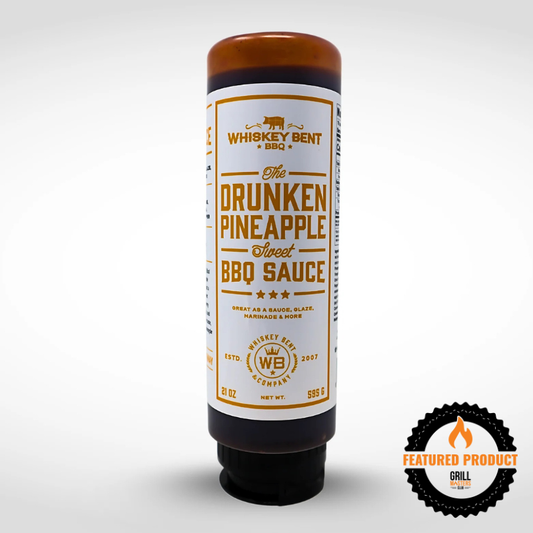
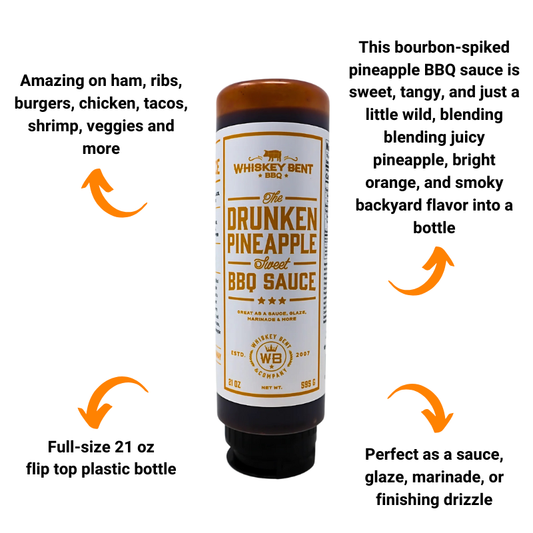
- Featured Product: Pineapple Papaya BBQ Sauce by Torchbearer
Modern Backyard “Fusion” (Not a Region, But Real)
- Hot-and-fast ribs with Carolina-style tang
- Texas-style brisket with KC-style burnt ends sauce finish
- Smoked chicken with Alabama white sauce + Memphis rub
How to Cook “In a Style” Without Being a Purist
You don’t need a museum-perfect replica of a regional pit to cook in a recognizable style. You just need to honor the style’s priorities.
Pick a Style Anchor (Choose One Primary Identity)
- Texas anchor: beef + clean smoke + simple rub
- Carolina anchor: pork + tangy sauce + chopped/pulled tradition
- Kansas City anchor: variety + sticky glaze + crowd-pleasing balance
- Memphis anchor: ribs + rub layers + bark-first mindset
Then Add One “Secondary” Twist
- Texas brisket + a small finishing brush of KC sauce (late, light)
- Carolina pulled pork + mustard-based slaw for extra tang
- Memphis dry ribs + a vinegar dip at the table
Tools, Sauces & Rubs That Match the Styles
Grill Masters Club doesn’t sell grills—so we focus on the part that actually upgrades most cooks fastest: tools + sauces + rubs + prep gear. These are the pieces that help you cook cleaner, safer, and more consistently—no matter what you’re cooking on.
Kansas City Sauce Fans
If you like thick, glossy, sweet-savory sauce that clings and glazes, start here: Rufus Teague BBQ collection.
Prep + Organization (Every Style Benefits)
Regional styles differ—but clean prep and better workflow improve all of them. If you cook often, purpose-built BBQ prep gear can remove friction from the process: Drip-EZ collection.
Grill Care (Consistency Starts With a Clean Setup)
Regardless of style, the fastest way to ruin flavor is old grease and burnt-on residue. If you’re building an “authority-level” backyard routine, keep a dedicated cleaning kit on hand: Grill brush & cleaning collection.
FAQ
What are the main American BBQ styles?
The most widely referenced styles are Texas, Carolina (Eastern NC, Lexington/Western NC, and South Carolina mustard traditions), Kansas City, and Memphis. Other important traditions include Alabama white sauce, Santa Maria tri-tip, and Kentucky barbecue.
Is BBQ defined by sauce?
No. Sauce can be central (Kansas City), optional (Memphis), or minimal (Texas). In many traditions, smoke quality, meat selection, and technique define the style more than sauce.
Which BBQ style is best for beginners?
Kansas City-style ribs and Carolina pulled pork are often beginner-friendly because the cooks are forgiving and the flavor profiles are approachable. Texas brisket is iconic but usually takes more practice due to trimming, timing, and fire/smoke control.
What’s the best way to learn a style quickly?
Pick one signature cook (Texas brisket, Carolina pulled pork, KC ribs, Memphis dry ribs), repeat it several times, and change only one variable per cook. Consistency builds intuition faster than constantly switching methods.
Join 100,000+ Grill Masters
Get weekly recipes, pro tips, and exclusive deals sent straight to your inbox. Plus your free Pit Card download and 10% off your first order.