
Smoker Strategy: Dialing In Your Setup for Holiday Roasts
Pro Tip: Mastering Smoker Temperature Control for Holiday Roasts
If there’s one thing that separates a good holiday roast from a legendary one, it’s temperature control. You can have the best rub, the highest-quality cut of meat, and the perfect glaze — but if your smoker isn’t dialed in, your results will suffer.
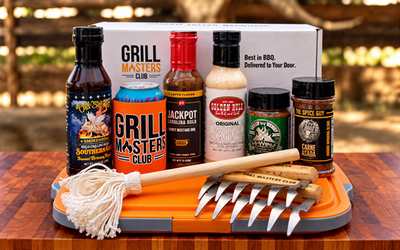
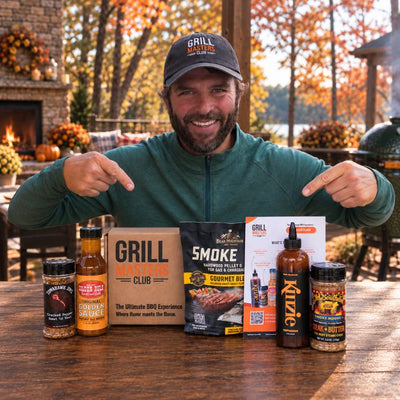
Whether you're smoking turkey for Thanksgiving, prime rib for Christmas, or a double-smoked ham for a holiday gathering, understanding how to manage heat is the real pitmaster move. Learn all about dialing in your smoker in this pro tip featured in our "Fireside Flavor" BBQ box.
Why Temperature Stability Matters
Holiday roasts are not briskets. They’re leaner, often more expensive, and typically cooked to precise internal temperatures. Unlike long barbecue cooks where a stall is expected, holiday proteins demand steady, predictable heat.
For most holiday roasts, your target cooking temperature should fall between 225°F–250°F. This range allows for gentle smoke infusion while preserving moisture and tenderness.
Large temperature swings can:
- Dry out turkey breast
- Overcook prime rib edges
- Burn sugary glazes on ham
- Create uneven doneness from edge to center
Step 1: Preheat Longer Than You Think
Most backyard cooks rush this step. Don’t.
Let your smoker stabilize for at least 30–45 minutes before adding your protein. Pellet grills need time to regulate auger cycles. Charcoal smokers need airflow dialed in. Kamados need ceramic mass fully heated.
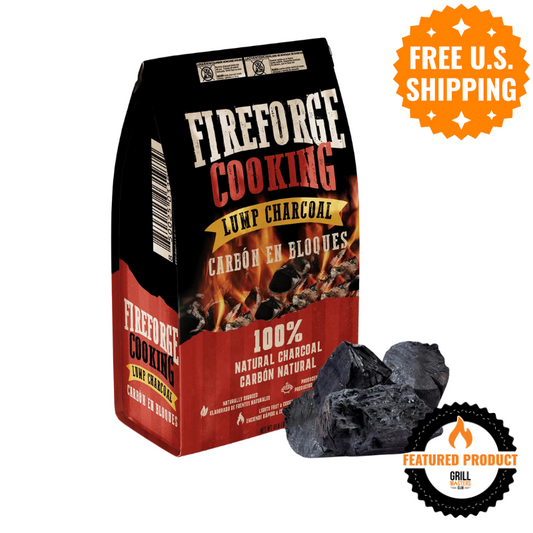
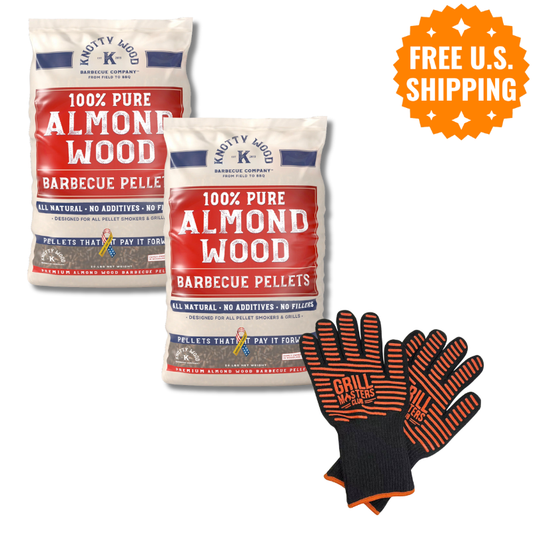
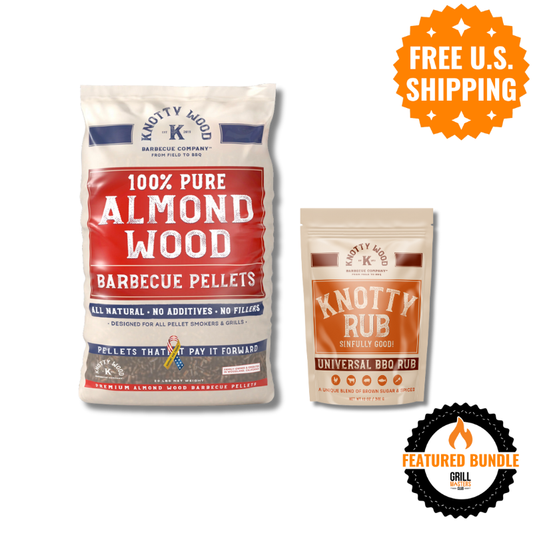
If you're running charcoal, build a clean two-zone fire. If you're using pellets, make sure your hopper is topped off with high-quality hardwood pellets for steady burn performance.
Looking to upgrade your fuel game? Check out our Grilling Accessories Collection for tools that help you manage airflow and fuel more efficiently.
Step 2: Use Dual Thermometers (Not Just the Lid Gauge)
Lid thermometers lie. They measure dome heat — not grate-level cooking temperature.
For accurate results, use:
- One probe clipped to the grate for ambient temp
- One probe inserted into the thickest part of the roast
Step 3: Manage Airflow Like a Pitmaster
On charcoal and offset smokers, vents are your throttle.
- Opening vents increases oxygen and raises temperature.
- Closing vents restricts airflow and lowers temperature.
Step 4: Add Moisture for Lean Holiday Proteins
Turkey and pork loin don’t have brisket-level fat protection. A simple water pan inside your smoker helps:
- Stabilize heat
- Add moisture to the chamber
- Protect against dry finishes
Step 5: Cook to Internal Temperature — Not Time
Forget the “minutes per pound” rule. It’s unreliable.
Instead, pull your roast at these internal temps:
- Prime Rib: 130–135°F for medium rare
- Pork Roast: 145°F
- Turkey: 160–165°F (carryover will finish it)
- Ham: 135–140°F (if pre-cooked)
Bonus Move: Reverse Sear for a Show-Stopping Finish
Want to impress your guests?
Smoke your roast at 225°F until it’s 10–15 degrees below target temp. Then crank your grill to high heat and sear for a crust that locks in juices and delivers steakhouse-level flavor.
Pair this technique with award-winning blends like Steak + Butter Seasoning by Old Southern BBQ for next-level results.
Bring It All Together
Mastering smoker temperature control isn’t complicated — but it does require intention. Stabilize early. Monitor accurately. Adjust gradually. Cook to internal temp.
When you combine proper heat management with high-quality ingredients, you don’t just cook a holiday meal — you create a tradition.
Looking to upgrade your grill game? Explore the latest curated boxes and limited-edition flavors inside our curated BBQ boxes and keep your pit stocked year-round.
Join 100,000+ Grill Masters
Get weekly recipes, pro tips, and exclusive deals sent straight to your inbox. Plus your free Pit Card download and 10% off your first order.