
Pro Tip: Mastering Your Two-Zone Fire
🔥 Pro Tip: Mastering Your Two-Zone Fire - The Pitmaster’s Secret to Better Bark, Better Color, and Better Control
If there is one live-fire technique that separates confident grillers from frustrated ones, it is learning how to build and cook with a two-zone fire. This is one of the simplest upgrades you can make to your grilling and smoking game, and it pays off immediately. Whether you are cooking ribeyes, pork shoulder steaks, chicken, sausages, or even corn, a two-zone setup gives you more control over heat, better texture, and far fewer flare-up disasters.
As pitmasters, we do not want every inch of our grills blazing at the same temperature. That is how you burn sauce, split sausage casings, scorch rubs, and end up with meat that looks done on the outside but is still lagging behind inside. We want one side of the cooker running hot and aggressive for searing, charring, and finishing, and another side running cooler and controlled for gentle cooking, rendering, and setting glaze. That is the power of the two-zone fire.
Think of it this way: the hot side gives you crust, color, and caramelization. The cooler side gives you time, control, and even doneness. When you use both zones intentionally, you stop reacting to the fire and start commanding it.
What Is a Two-Zone Fire?
A two-zone fire means your grill or smoker has two distinct cooking areas:
| Zone | Purpose | Best For |
|---|---|---|
| Direct Heat Zone | High heat directly over flame or coals | Searing steaks, crisping chicken skin, caramelizing sauce, charring vegetables |
| Indirect Heat Zone | Lower, gentler heat away from the fire | Cooking thicker cuts through, rendering fat, setting glaze, preventing burning |
On a charcoal grill, this usually means banking your coals to one side and leaving the other side coal-free. On a gas grill, it means turning one burner or side of burners higher and leaving the other side lower or off. On an offset or smoker-grill hybrid, it means understanding where your hotter and cooler zones naturally sit and using them strategically.
If you are still building your setup or experimenting with different tools and fuel sources, check out our full collection of BBQ accessories and grilling tools to help dial in your fire control.
Why Pitmasters Rely on It
A two-zone fire solves problems before they happen. Thick cuts need time for internal heat to catch up. Fatty cuts need time to render. Sugary sauces need a gentler place to set without scorching. Sausages need the casing to tighten and brown without blasting the interior too fast. Chicken skin needs enough heat to crisp, but not so much that the outside burns before the meat is done.
When everything is cooked over one screaming-hot fire, you lose those options. You are forced to rush, flip constantly, and fight flare-ups. When you cook with two zones, you gain a workflow:
- Start indirect when you need control and even cooking.
- Move direct when you want crust, char, or color.
- Return indirect if a glaze needs to set or a protein needs a few more minutes without over-darkening.
The Real Pitmaster Advantage: Sauce Control
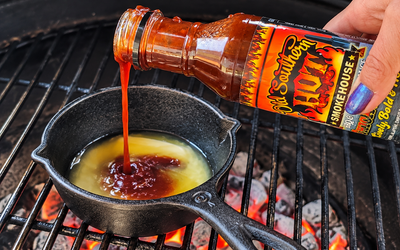
One of the biggest mistakes we see on the grill is applying sauce too early over direct heat. That is a fast track to blackened sugars and bitter edges. A two-zone fire fixes that immediately. Build your bark and color first. Then move the meat to the cooler side, brush on your sauce, close the lid, and let the glaze tighten gently.
If you are looking to experiment with different flavor profiles and sauces that perform well over live fire, explore our BBQ sauces and rubs collection for options built to handle heat, smoke, and caramelization.
Our Rule of Thumb
If a protein is thin and quick-cooking, direct heat may be all you need. If it is thick, fatty, bone-in, glazed, or prone to burning, a two-zone fire should be your default setup.
The best grillers are not just good at cooking over fire. They are good at managing fire. Learn to build a hot side and a cool side, and suddenly your grill stops feeling unpredictable.
Bottom line: Master your two-zone fire, and you master the pace of the cook. That is when backyard grilling starts to feel like real pitmaster work.
Want to keep leveling up your skills? Join the club and get new techniques, recipes, and premium BBQ products delivered with a Grill Masters Club subscription.
Join 100,000+ Grill Masters
Get weekly recipes, pro tips, and exclusive deals sent straight to your inbox. Plus your free Pit Card download and 10% off your first order.