

How to Season Your Blackstone Grill
Quick answer: how to season a Blackstone griddle
- Wash it once. Warm, soapy water on a brand new top to remove the factory coating. Rinse and dry completely.
- Heat it until it browns. All burners on high for 10 to 15 minutes, until the steel starts to darken. Turn the burners off.
- Wipe on a very thin coat of oil. About 2 to 3 tablespoons for a 36" griddle, less for smaller ones. Spread it over the top, edges and sides with paper towels held in tongs, then wipe until it looks almost dry.
- Burn it off. Burners back to high until the smoke stops, about 15 to 30 minutes. Turn off.
- Repeat 3 to 4 times, until the top is evenly dark brown to black.
- Finish with a protective coat. Let it cool a little, then wipe on one last light layer of oil and leave it.
How long it takes: plan on about 1 to 2 hours start to finish for a new griddle. Most of that is waiting for each coat to stop smoking.
Just got a Blackstone? Seasoning is the most important thing you'll do before the first cook. It's what turns bare, silver rolled steel into a dark, slick cooktop that releases eggs, sears smash burgers and doesn't rust. Get it right on day one and the griddle gets better every time you use it.
Below you'll find each step in more detail, the best oils, what to do when seasoning goes wrong, and how to keep it in shape.
What seasoning actually is
Seasoning isn't flavor. It's a layer of oil that has been heated past its smoke point until it polymerizes, meaning it bonds to the steel and hardens into a thin, plastic-like coating. Each thin coat adds another layer. Together they:
- Create a natural nonstick surface
- Seal the steel from moisture so it doesn't rust
- Give you that dark, even cooktop that browns food well
The key word is thin. Thin coats cure hard. Thick coats stay gummy and flake later.
What you need
- Oil or conditioner with a high smoke point (see the chart below), or a griddle product like Caron & Doucet Griddle Seasoning & Cast Iron Conditioner
- Paper towels or lint-free rags
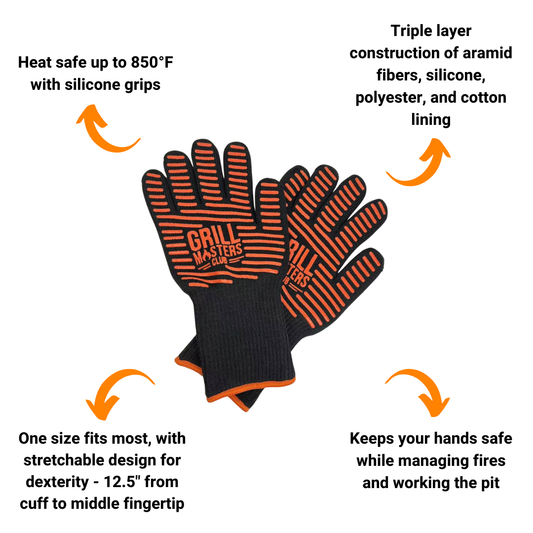
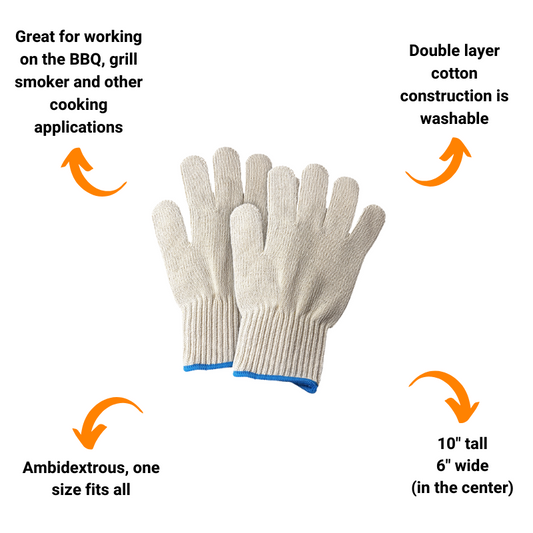
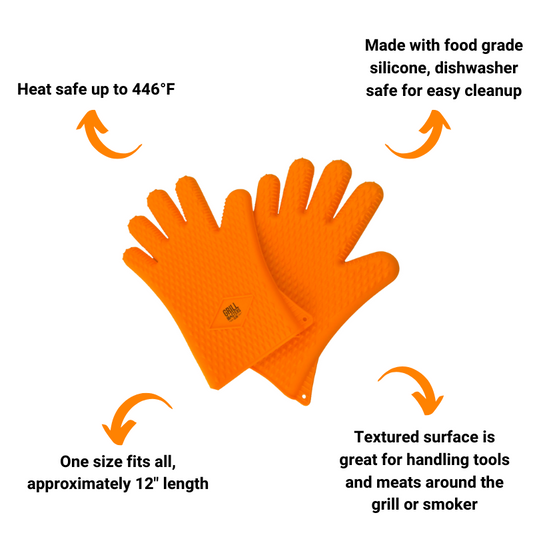
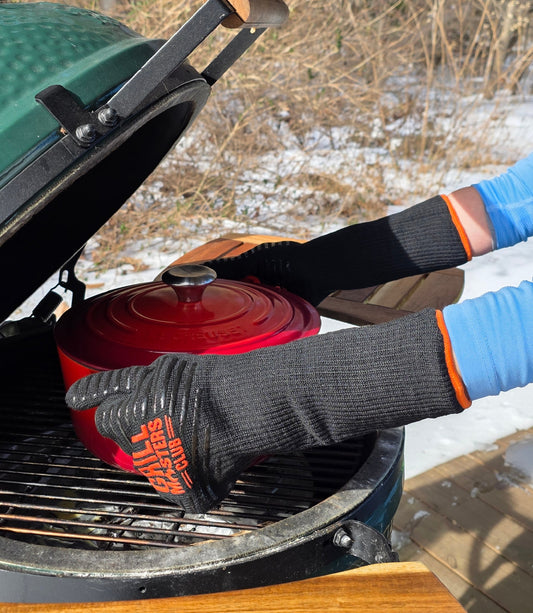
- Long tongs to hold the towel, and heat-resistant gloves
- Dish soap, water and a soft cloth for the first wash only
- A full propane tank. Seasoning runs the burners on high for over an hour

How to season a Blackstone, step by step in detail
Step 1: Wash the new cooktop
New griddle tops come with a light protective coating from the factory. Wash the top once with warm water and a little dish soap and a soft cloth, rinse it with clean water, and dry it completely with towels. This is the only time you'll use soap on the cooktop.
Step 2: Heat until it changes color
Turn every burner to high and let the griddle heat for 10 to 15 minutes. The silver steel will start turning brown or bronze. That color change tells you it's ready for the first coat. Turn the burners off before you oil so you're not reaching over open flame.
Step 3: Apply a thin coat of oil everywhere
Pour about 2 to 3 tablespoons of oil on a 36" top (about half that on a 22" or 17"). Using a wad of paper towels in tongs, spread it over the entire cooking surface, the corners, the edges and the outside of the side walls. Then wipe again with a clean towel until the surface looks almost dry. If you see pooling or streaks, it's too much.
Step 4: Smoke it off
Turn the burners back to high. The oil will start smoking within a few minutes. Leave it until the smoke stops, which takes about 15 to 30 minutes depending on the oil and the weather. When the smoke is gone, that coat has bonded. Turn the burners off.
Step 5: Repeat 3 to 4 times
Repeat steps 3 and 4. Each round gets darker. Stop when the surface is an even dark brown to black. Corners and edges often stay lighter because they run cooler, especially on a windy day. That's normal, and they'll darken as you cook.
Step 6: Final protective coat
Let the griddle cool slightly, then wipe on one last light layer of oil or conditioner and don't burn it off. This film protects the new seasoning from humidity until your first cook.
First cook tip: make something fatty first, like bacon, smash burgers or fried onions. The fat helps build the seasoning faster. Save delicate eggs and acidic foods like tomatoes for after a few cooks.
Shop BBQ Sauces & Rubs


Best oils for seasoning a Blackstone
Smoke points vary by brand and how refined the oil is, so treat these as typical ranges.
| Oil or fat | Typical smoke point | Notes |
|---|---|---|
| Canola or vegetable oil | About 400 to 450°F | Cheap, neutral, easy to spread thin. A great default |
| Refined avocado oil | About 500 to 520°F | Very high heat, neutral |
| Grapeseed oil | About 420°F | Neutral, spreads thin |
| Vegetable shortening | About 360°F | Old-school, builds a good layer |
| Beef tallow | About 400°F | Builds seasoning and adds flavor. The Wagyu Beef Tallow Spray makes thin coats easy |
| Flaxseed oil | About 225°F | Cures hard but can flake if applied thick |
| Griddle conditioner | Varies by product | Made for the job. Follow the label |
| Butter, unrefined olive oil, nonstick spray | Low or varies | Skip for seasoning. They burn or turn gummy |
New to the flat top?
The First Fire BBQ Box
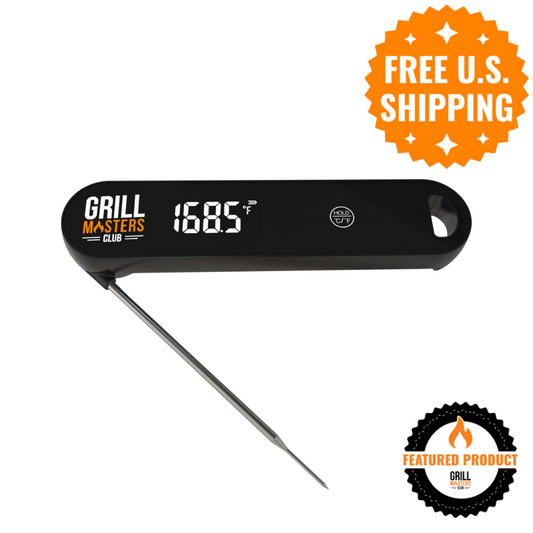
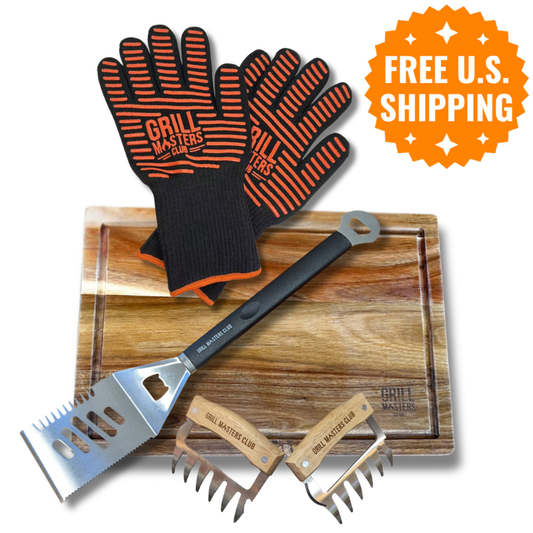
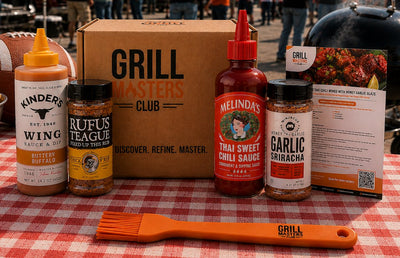
Start with wagyu beef tallow spray, a high smoke point fat that's made for seasoning and searing on a griddle, and a 4-in-1 spatula that flips, cuts, chops and opens bottles. The box also has a digital instant read thermometer, our Meat Smoking Mastery temperature magnet, a Grill Masters Club apron, Mis' Rubin's Magic marinade, Rufus Teague Meat Rub, Sticky Fingers BBQ sauce and cherry wood chips for your next smoke.
Free U.S. shipping.
Troubleshooting Blackstone seasoning
| Problem | Likely cause | Fix |
|---|---|---|
| Sticky or tacky surface | Oil too thick, or not heated long enough to cure | Burners on high until it stops smoking. Thinner coats from now on |
| Flaking black bits | Thick coats, or steam and acidic foods lifting weak layers | Scrape off the loose flakes, then 2 or 3 thin coats |
| Uneven or light corners | Corners run cooler, wind | Normal. Cook on it and it evens out. Shield it from wind when seasoning |
| Food sticking | Seasoning still new, or surface not hot or oiled enough | Preheat fully, use a little cooking fat, add 1 or 2 more coats |
| Brown or orange rust spots | Moisture left on the steel, no cover | Scrape, scrub with a little oil and a scouring pad or salt scrub, wipe clean, then re-season |
| Gray patches after cleaning | Too much scraping or soap | One or two touch-up coats |
| Rainbow or blotchy colors | Normal color change while heating | Keep going. It turns dark with more coats |
After every cook: the 5-minute routine
- While the griddle is still hot, scrape food and grease into the grease trap.
- Squirt a little water on stuck bits and scrape again as it steams.
- Wipe the surface with paper towels held in tongs.
- Apply a thin coat of griddle oil and let the heat set it for a few minutes.
- Turn off the burners and the propane. Once it cools, put the lid or cover on.
For the full routine, including deep cleans, see How to Clean a Flat Top Grill.

How to restore and re-season a rusty Blackstone
Left uncovered through a wet stretch, a griddle can come back orange. It looks bad, but steel cooktops are very forgiving. Unless the rust has eaten pits into the metal, you can bring it back in an afternoon.
- Heat it up. Turn the burners to medium-high for about 10 minutes to loosen the rust and any old, gummy oil.
- Scrape it. Use a flat scraper to push off loose rust and flaking seasoning. Work in rows across the whole top.
- Scrub with oil. Turn the heat off. Pour on a few tablespoons of oil and scrub with a scouring pad, grill brick or salt scrub until the rust lifts into the oil. For heavy rust, a little water on the warm surface helps loosen it.
- Wipe until the towel comes up clean. Paper towels in tongs, many passes. Gray or bare steel showing through is fine.
- Dry it with heat. Run the burners for a few minutes so no moisture is left on the steel.
- Season from step 3. Thin coat, smoke off, repeat 3 to 4 times, then a final protective coat.
The fix for next time is simple: oil after every cook and keep it covered. Most rust starts with a griddle put away damp.
When to re-season
A thin coat after every cook keeps the seasoning healthy, so a full re-season isn't something you do on a schedule. Do it when:
- Food starts sticking where it used to release
- The surface looks gray, dull or patchy
- You've removed rust or scrubbed hard to fix a problem
- The griddle sat unused for a long stretch, like over winter
Re-seasoning is the same process as above, usually 2 or 3 coats instead of 4.
Storage and rust prevention
- Keep it covered. A hard lid or a fitted cover keeps rain and dew off the steel.
- Never cover it wet. Let it cool and dry first.
- Oil before long breaks. A light coat of oil before winter or vacation protects the steel.
- Store it somewhere dry if you can. Humid sheds and garages can still cause rust.
See our Blackstone griddle accessories guide for covers, cleaning kits and the tools that make griddle cooking easier.
Try the Ultimate BBQ Experience with our One-time Boxes


Safety while seasoning
- Outdoors only. A propane griddle is an outdoor appliance. Season in an open, well-ventilated area away from the house, since it produces a lot of smoke.
- Check connections first. Make sure the propane connection is tight and look for damage on the hose. If you smell gas, shut off the tank.
- Use tongs and heat-resistant gloves. The cooktop is far hotter than it looks.
- Keep oily towels safe. Let used, oily paper towels cool spread out before throwing them away, and keep them away from the burners.
- Close the tank when you're done.
Get cooking
Once your Blackstone is seasoned, the best way to keep it that way is to cook on it often. Smash burgers, breakfast, fajitas and fried rice all build the seasoning a little more every time. Our complete guide to flat top grills has techniques and ideas for what to make first.
Frequently asked questions
How long does it take to season a Blackstone?
Plan on about 1 to 2 hours. The first heat takes 10 to 15 minutes, and each coat of oil takes about 15 to 30 minutes to smoke off. Most griddles need 3 to 4 coats.
How many times should you season a new Blackstone?
Usually 3 to 4 thin coats, or until the cooktop is an even dark brown to black. The seasoning keeps building every time you cook.
What is the best oil to season a Blackstone?
A neutral, high smoke point oil such as canola, vegetable, avocado or grapeseed, a dedicated griddle conditioner, or beef tallow. Avoid butter and nonstick spray.
Should I wash a new Blackstone with soap?
Yes, once, before the first seasoning, to remove the factory coating. Rinse and dry it fully. After it is seasoned, clean with a scraper, water and heat instead of soap.
Why is my Blackstone sticky after seasoning?
The oil went on too thick, or it did not get hot enough to finish curing. Turn the burners to high until it stops smoking, and use thinner coats next time.
Why is my Blackstone seasoning flaking?
Usually from thick coats or from steam and acid lifting a weak layer. Scrape off the loose flakes, then apply 2 or 3 thin coats.
How often should you re-season a Blackstone?
A thin coat of oil after every cook is the routine. Do a full re-season with several coats only when food starts sticking, the surface looks gray or patchy, or after removing rust.
Can you season a Blackstone with beef tallow?
Yes. Beef tallow has a smoke point of roughly 400°F and builds seasoning like oil. Apply thin coats and burn each one off.

Give the griddle something new to cook
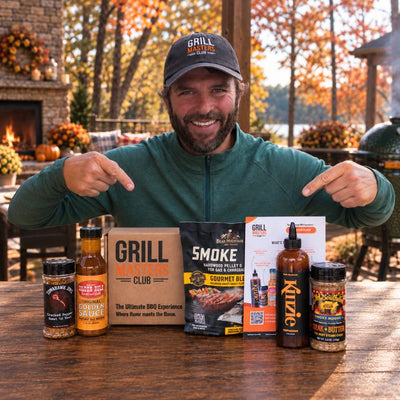
A fresh sauce or rub is the easiest reason to fire up the flat top. With a Grill Masters Club subscription, a themed box of pitmaster-picked sauces, rubs and a tool shows up every 2 or 3 months, with a recipe booklet built around exactly what's inside. No theme ever repeats.
Start your subscriptionFree US shipping. Shopping for the griller in your life? Give the Gift of BBQ.
🏈 Grate Deals: 10% OFF with code USA
Join 100,000+ Grill Masters
Get weekly recipes, pro tips, and exclusive deals sent straight to your inbox. Plus your free Pit Card download and 10% off your first order.