How to Make the Perfect Glazed Holiday Ham on Your Grill or Smoker
The short version: set your grill or smoker for indirect heat at 325F, put a fully cooked spiral ham in a pan with butter and citrus underneath, smoke it with apple or cherry wood until it hits 125F to 130F internal, then brush on three thin coats of glaze and pull it at 140F. Rest 10 to 15 minutes and spoon the pan glaze over the slices.
There are holiday dishes that take days of prep, complicated technique and a little bit of luck. Glazed ham is not one of them.
A double-smoked glazed ham might be the easiest way to put a showstopping centerpiece on your Thanksgiving, Christmas or Easter table. The secret is that you are not really cooking. You are reheating a ham that is already cooked, and using that time to add wood smoke, BBQ seasoning and a glaze that caramelizes over the outside and works its way between the spiral slices.
Better yet, cooking the ham outside keeps one very large piece of meat out of an already crowded holiday oven.
What Is a Double-Smoked Ham?
A double-smoked ham is a fully cooked, already-smoked ham that gets a second pass through a grill or smoker. You are not curing and smoking a raw ham twice.
Most spiral-cut hams at the grocery store around the holidays are already fully cooked and smoked. When that ham goes back on the cooker, you are adding a second layer of wood smoke, BBQ seasoning, aromatics, a caramelized glaze and flavor between the slices. Because you start with a fully cooked product, it is far more forgiving than smoking a brisket or pork shoulder from scratch.
Step 1: Buy the Right Ham
Our pick for this method is a fully cooked, bone-in, spiral-cut half ham. A 6 to 8 lb half ham feeds roughly 8 to 10 people.
Spiral-cut matters because those slices create dozens of openings for seasoning and glaze. Bone-in matters for flavor, presentation and the ham bone you will want later for soup.
Check the label before anything else
Look for fully cooked or ready to eat. A ham labeled cook before eating, or a fresh ham, needs a different procedure and a different internal temperature. This guide is for the fully cooked kind.
How much ham do you need?
For a bone-in ham, start at roughly one half to three quarters of a pound per person. We lean toward the higher end, because leftovers are the point.
| Guests | Bone-in ham |
|---|---|
| 6 to 8 | 5 to 6 lbs |
| 8 to 10 | 6 to 8 lbs |
| 10 to 12 | 8 to 10 lbs |
| 12 to 16 | 10 to 12 lbs |
Step 2: Pick Your Wood
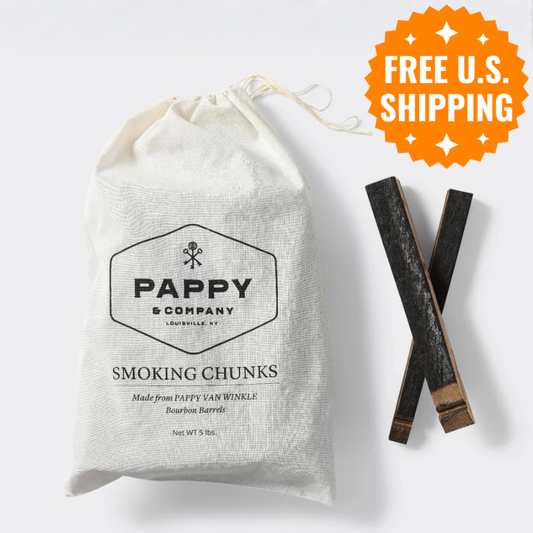
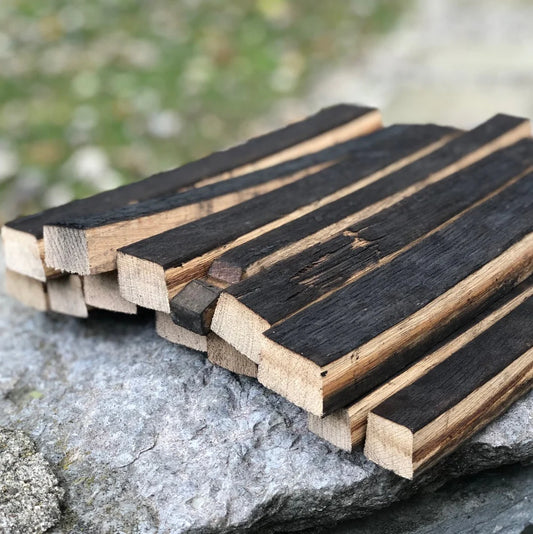
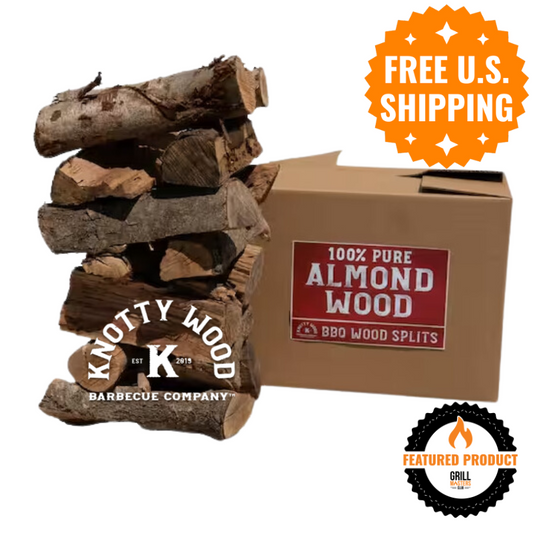
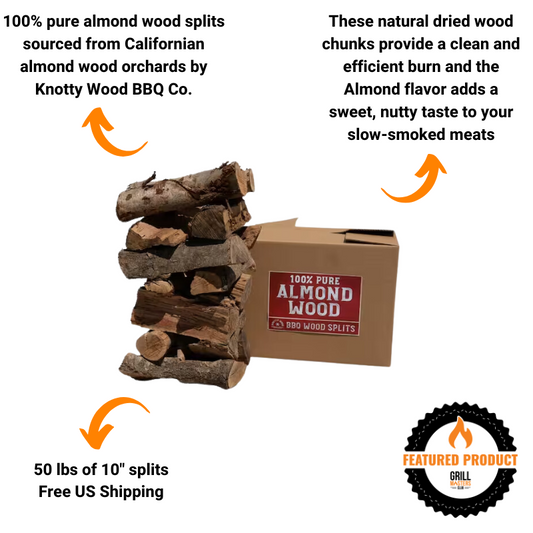
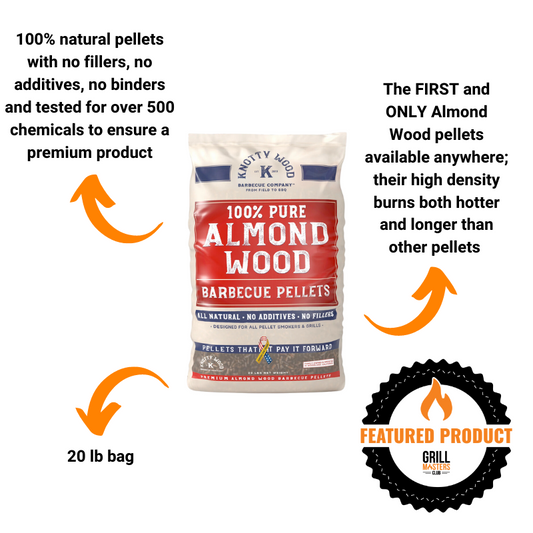
Your ham already has smoke flavor, so this is not a contest to see how much more you can force into it. Apple is the most forgiving all-purpose choice. Cherry adds color and suits fruit-forward glazes. Pecan brings nutty depth. Hickory gives you classic smokehouse character and should be used with restraint.
Our favorite combinations are apple plus cherry for fruit-forward glazes, pecan plus cherry for a richer holiday profile, and hickory plus apple when you want the ham to lean BBQ.
For the full pairing chart, including which wood to match to which glaze and why mesquite is usually the wrong call here, see Best Wood for Smoking Ham.
Step 3: Build Flavor in Layers
A great glazed ham should not taste like someone poured BBQ sauce over a ham five minutes before dinner. Build it progressively.
Layer 1: the binder
A very thin coat of yellow mustard, Dijon or BBQ sauce gives your seasoning something to grab. You will not taste the mustard.
Layer 2: the rub
This is your savory foundation. Look for brown sugar, chili, garlic, black pepper, mustard, pecan, cherry, apple, rosemary and warm spices. Work some seasoning carefully between the spiral slices. Do not pry the ham apart like an accordion.
Layer 3: smoke
The ham goes outside. Heat starts warming the meat while smoke builds flavor across the exterior.
Layer 4: the glaze
This comes last, and that is the whole trick. Most ham glazes are loaded with sugar, and sugar plus heat plus too much time equals a burned, bitter crust.
Step 4: Set Up Your Cooker
Set up for indirect heat at approximately 325F. The ham should never sit over direct flame. You are building an outdoor oven that happens to run on smoke.
Place the ham in a cast iron skillet, roasting pan or disposable foil pan, put the pan in the indirect zone, insert a leave-in thermometer into the thickest portion without touching bone, and close the lid.
Pellet smoker
Fill the hopper, preheat to 325F, choose apple, cherry, pecan or a mild blend, insert the probe and close the lid.
Pro tip: fill the hopper before holiday prep gets hectic. Running out of pellets halfway through the cook is an avoidable problem.
Charcoal kettle
Set up two-zone. Charcoal on one side, ham on the other, one or two chunks of smoking wood on the coals. Position the lid vent so heat and smoke travel across the ham before exiting.
Kamado
Install the heat deflector, stabilize the cooker before the ham goes on, and go light on wood. Kamados hold smoke efficiently.
Gas grill
Turn off the burner directly beneath the ham and run the surrounding burners to hold 325F. Place the ham over the unlit section. If your grill has a smoker box, add apple or cherry chips.
Step 5: Why 325F and Not 225F
You will find plenty of smoked ham recipes calling for 225F or 250F. Those temperatures add smoke, but remember what you are actually doing. The ham is already smoked and already cooked. It does not need to be treated like a pork shoulder.
At 325F you warm the ham efficiently, add another layer of wood smoke, and still have time to build a glaze. Just as important, a spiral-cut ham has an enormous amount of exposed surface area, and every extra hour in a hot, dry cooker is an hour spent drying those slices out. USDA reheating guidance for a fully cooked ham also uses 325F as its conventional oven temperature.
More on the moisture side of this in How to Keep Spiral Ham From Drying Out.
Step 6: When to Glaze
Start glazing during the final 20 to 30 minutes, when the internal temperature hits roughly 125F to 130F.
Brush a thin coat over the exterior and gently between some of the slices. Close the lid and let it set for about 10 minutes. Add a second coat, then a third near the end. Each layer gets more concentrated. By the end the ham should look lacquered rather than wet.
Your pan glaze is the secret weapon
Everything sitting beneath the ham (butter, drippings, citrus, herbs, fruit, rub, BBQ sauce) collects in the bottom of the pan. Use a mop or brush to bring that liquid back onto the ham during the final stretch, and save some to spoon over the sliced ham at the table.
The Flavor Pairing, Already Done
Our Double Smoked & Glazed Ham Kit pairs two rubs, two sauces and a 12 inch cotton mop brush into two complete holiday ham recipes: a smoky sweet-heat Hot Pepper Bacon glaze and a festive cherry-pecan Drunken Pineapple glaze. Recipe cards included, free U.S. shipping.
How Do You Know When the Ham Is Done?
Not by color. Not by the clock. Use a thermometer.
For a fully cooked ham packaged at a USDA-inspected plant, USDA guidance calls for reheating to 140F internal. Hams from other sources should be reheated to 165F. Insert the thermometer into the thickest portion without touching bone.
Once the ham hits temperature and the glaze is set, you are done. Not 155F. Not 165F just to be safe. More heat is not better when you are reheating an already cooked ham.
How Long Does It Take?
Plan on roughly 10 to 15 minutes per pound at 325F, then let the thermometer make the actual call. Cook time shifts with ham weight, shape, starting temperature, cooker, outdoor temperature, wind and how often you open the lid.
Give yourself at least 30 minutes of buffer. A ham that finishes early is easy to manage. A room full of hungry relatives staring at a ham stuck at 112F is not.
Full weight-by-weight timing chart and the complete recipe: How Long to Smoke a Spiral Ham.
Every number on one screen. How much to buy, cook times by weight, the glaze window and a holiday timeline, all on one page: the Smoked Ham Cheat Sheet. Keep it open on your phone next to the smoker.
Two Grill Masters Club Holiday Ham Flavor Profiles
Hot Pepper Bacon Glazed Ham
Sweet, smoky, savory, with just enough heat. This one combines Brown Sugar Chili Rub by The Spice Lab with Hot Pepper Bacon Grill & Wing Squeeze by Terrapin Ridge Farms. Dark brown sugar reinforces the glaze while butter, fresh oranges, thyme and rosemary build an aromatic base beneath the ham.
Flavor formula: brown sugar plus chili plus bacon plus orange plus herbs plus smoke.
Drunken Pineapple Glazed Ham
Fruity, festive and built for the holiday table. The Pecanerry Rub by Whiskey Bent brings cherry, toasted pecan and warm spice, while Drunken Pineapple BBQ Sauce by Whiskey Bent adds a bourbon-kissed pineapple finish. Fresh pineapple and orange juice cook beneath the ham for a fruit-forward pan glaze. Get the full recipe: Pit-Glazed Spiral Ham with Pecanerry Rub & Drunken Pineapple Glaze.
Flavor formula: cherry plus pecan plus pineapple plus citrus plus bourbon-inspired BBQ flavor plus smoke.
Want more glaze options, including brown sugar mustard, maple bourbon and cranberry orange? See The Best Glazes for Holiday Ham.
Five Mistakes That Ruin Glazed Ham
- Buying the wrong kind of ham. A fresh ham and a fully cooked spiral ham are different cooks. Read the package.
- Cooking by time alone. Cook times are estimates. Internal temperature is what is actually happening.
- Glazing too early. Sugar needs enough heat to caramelize. It does not need hours to burn.
- Constantly opening the cooker. Every peek costs heat. Use the probe and let the cooker work.
- Throwing away the pan juices. That pan holds some of the best flavor of the entire cook.
How to Serve It
Most of the carving is done for you. Use a sharp knife to release sections of slices from around the bone and arrange them on a warm platter rather than in one tight pile. Spoon a little warm pan glaze over the meat, and put the rest on the table. People will find it.
What to serve with double-smoked ham
Smoked mac and cheese, scalloped potatoes, sweet potato casserole, cast iron cornbread, smoked Brussels sprouts, green beans with bacon, grilled asparagus, bourbon-glazed carrots, smoked baked beans and dinner rolls. Because the ham is outside, your oven is free for all of them.
What About the Leftovers?
Buying a slightly larger ham is rarely a bad decision. Sliders, breakfast hash, ham fried rice, mac and cheese, and soup from the bone are all waiting. We put 12 of them here: What to Do With Leftover Smoked Ham.
Frequently Asked Questions
What temperature do you smoke a fully cooked ham at?
325F. The ham is already cooked, so you are reheating it while adding smoke and building a glaze. USDA reheating guidance also uses 325F as the conventional oven temperature for a fully cooked ham.
What internal temperature should a glazed holiday ham reach?
140F for a fully cooked ham packaged at a USDA-inspected plant. Hams from other sources should be reheated to 165F.
When should you glaze a holiday ham?
During the final 20 to 30 minutes, once the ham reaches roughly 125F to 130F internal. Build two or three thin coats and let each one set.
How long does it take to smoke a spiral ham?
Roughly 10 to 15 minutes per pound at 325F, so about 80 to 120 minutes for an 8 lb ham. Plan with the clock, decide with the thermometer.
Can you make a glazed ham on a gas grill?
Yes. Turn off the burner directly beneath the ham, run the outer burners to hold 325F, and place the ham over the unlit section.
Do you cover a spiral ham while smoking it?
Not for the whole cook. Use the pan, control the temperature and glaze late. If the exterior darkens before the center is hot, tent it loosely with foil.
Cooking the Thanksgiving turkey first? Our Turkey Takeover Box has the brine, the injector and the seasonings, and our candied bacon guide covers the appetizer.
Holiday Ham School
Discover. Refine. Master.
Join 100,000+ Grill Masters
Get weekly recipes, pro tips, and exclusive deals sent straight to your inbox. Plus your free Pit Card download and 10% off your first order.