
8 Different Types of Grills: Which One Is Right for You?
Walk into any backyard store and you face the same wall of confusion: charcoal, gas, pellet, kamado, flat-top, so many different types of grills and smokers, each promising the best BBQ of your life. The truth is, the right grill depends entirely on how you cook, what you love to eat, and how much time you want to spend tending the fire.
This guide breaks down every major grill type, what it does best, what it costs, and who it's actually for. Once you know your grill type, mastering grilling techniques becomes a lot more fun. Let's find your match.
How to Choose the Right Grill Before You Buy
Before diving into the details, answer these three questions, they'll cut through the noise fast.
-
How often will you grill? Weeknight convenience calls for gas. Weekend rituals built around smoke and fire call for charcoal, pellet, or kamado.
-
What's your flavor priority? If smoky char matters most, lean toward charcoal or pellet. If clean, consistent results matter more, gas is your friend.
-
What's your budget? Around $300 gets you a solid kettle or entry-level gas grill. Around $700 opens the door to mid-range gas or a starter pellet grill. At $1,500 and above, you're looking at premium pellet grills or a quality kamado.
With those answers in mind, here's a full breakdown of the most popular types of bbq grills on the market today.
8 Types of Grills Explained
1. Charcoal Grills

If flavor is your primary motivation for owning a grill, start here. Charcoal grills burn hotter and produce more smoke than any other fuel type, delivering that deep, complex char most people associate with real outdoor cooking.
A standard charcoal setup reaches 600 to 750 degrees Fahrenheit with a 15 to 20 minute heat-up using a chimney starter. The classic 22-inch kettle grill, in the $100 to $250 range, is the best starting point for beginners. Its round shape promotes even airflow, and its two-zone setup (coals on one side, food on the other) teaches you the fundamental difference between direct and indirect heat.
For fuel, start with briquettes. They burn more evenly and are easier to control than lump charcoal, which burns hotter but faster. Once you have the basics down, switching to lump charcoal gives you higher heat for searing.
The honest downside: ash cleanup after every cook and a slower start than gas. But for anyone serious about developing real grilling skills, low-and-slow on a kettle grill is one of the most rewarding experiences you can have outdoors.
-
Best for: Weekend grillers, flavor-first cooks, anyone learning the craft from the ground up.
-
Avoid if: You need dinner on the table in under 20 minutes.
2. Gas Grills (Propane)

Gas grills are the most widely owned grill type in the U.S., and for good reason; they make outdoor cooking fast, predictable, and easy to clean up. Turn the knob, press the ignition, cook in five minutes. That's the appeal.
For a quality home setup, look for 30,000 to 45,000 BTUs total across three or four burners. Don't chase the highest BTU number; a well-built 35,000 BTU grill with stainless steel burners will outperform a poorly built 60,000 BTU model every time. A 20-pound propane tank lasts roughly 18 to 22 hours at moderate heat, making it practical for frequent family cooks.
The biggest first-time buyer mistake? Prioritizing raw BTU numbers over build quality. Electronic ignition, porcelain-coated cast iron grates, and a tight-fitting lid matter more than peak heat output.
For specific model guidance, the Char-Broil grill guide covers a range of gas grill options worth considering at different price points.
-
Best for: Anyone looking for the best grill for beginners, weeknight dinners, and households that grill three or more times per week.
-
Avoid if: You want smoke-forward flavor, gas delivers clean heat, not char.
3. Pellet Grills

Pellet grills are the closest thing to set-it-and-forget-it smoking. A digital thermostat feeds compressed hardwood pellets into a firebox via an auger and fan, holding a precise temperature without you hovering over the grill styles. The food absorbs real wood smoke flavor without the fire management learning curve of charcoal, which is exactly why the pellet grill vs charcoal debate comes up so often for first-time smoker buyers.
Temperature range runs from about 180 to 500 degrees Fahrenheit. That's ideal for long, slow smoking but falls short of charcoal and gas for high-heat searing. A 20-pound bag of pellets lasts four to six cook sessions. Pellet flavor pairings matter: hickory and oak pair best with beef; apple and cherry work well with pork; alder is the go-to for fish.
The key caveats: pellet grills require a 120V electrical outlet and shut down completely if power is lost mid-cook. They also carry a higher price tag; entry-level models start around $500.
If you're deciding between wood and conventional fuel, the pellet vs charcoal grills comparison lays out the tradeoffs in detail.
-
Best for: Low-and-slow BBQ enthusiasts, brisket, ribs, pulled pork, who want wood flavor without constant fire management.
-
Avoid if: You grill off-grid, primarily cook steaks and burgers, or want to keep costs under $500.
4. Kamado Grills

If you want one grill that smokes, sears, and bakes a wood-fired pizza, the kamado is your answer. Thick ceramic walls, typically one to one-and-a-half inches, absorb and radiate heat so evenly that temperature swings become almost non-existent. Quality ceramic models reach 700 degrees and above, making them genuinely versatile from low-and-slow smoking to high-heat pizza.
The challenge for beginners is temperature overshoot. Ceramic holds heat so well that when you adjust the vents, the grill takes 10 to 15 minutes to respond. The fix: make small adjustments and wait, don't keep turning the dampers.
One rule that catches new Kamado owners off guard: lump charcoal only. Briquettes produce too much ash and clog the narrow airflow vents, making temperature control nearly impossible.
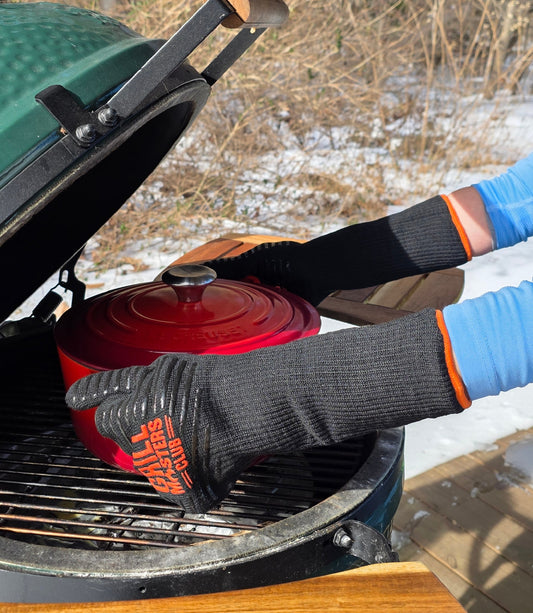
Ceramic kamados (Big Green Egg, Kamado Joe) run $500 to $1,500 for a large model and weigh 160 to 187 pounds. That's a permanent fixture, not a portable option. And buyers at this level are typically outfitting a full patio setup, often pairing the kamado with a concrete fire pit as a permanent outdoor centerpiece.
For those with a smaller budget, metal kamado models in the $300 to $500 range are lighter but offer less temperature stability. For those with a smaller budget, metal kamado models in the $300 to $500 range are lighter but offer less temperature stability. The kamado grill excels in cold-weather cooking too; its ceramic walls insulate so effectively that winter sessions are genuinely practical.
-
Best for: Enthusiasts who want lifetime durability and true versatility in a single unit.
-
Avoid if: You need portability or you're not ready to invest $500 or more.
5. Electric Grills

Electric grills exist for one primary reason: to let people grill when every other option is off the table. No open flame means no fire code violations, no propane tanks, and no charcoal ash on a landlord's balcony.
They run on 1,200 to 1,800 watts through a standard 120V outlet. The honest truth on flavor: there is no combustion, so there is no smoke. Liquid smoke in marinades adds a subtle smokiness, but it's not the same as real wood or charcoal. Electric grills shine for burgers, vegetables, fish, and quick weeknight cooks, not for brisket or anything where a smoke ring matters.
The upside is minimal maintenance. Wipe the grates, empty the drip tray, and you're done. The Weber Q 1400 is the benchmark here, with porcelain-enameled cast iron grates and solid build quality in a compact package.
One important note: electric is often (not always) permitted where gas and charcoal are banned. Always verify your lease and local fire codes before purchasing. Rules vary by city, building, and HOA.
-
Best for: Apartment and condo dwellers, balcony cooking, anyone under strict fire restrictions.
-
Avoid if: Smoke flavor is a non-negotiable part of your grilling experience.
6. Flat-Top / Griddle Grills

A flat-top grill opens up a completely different style of cooking. Instead of grates and open flame, you cook on a smooth propane-powered steel surface that caramelizes food rather than charring it. The result is exceptional for smashburgers, eggs, bacon, stir-fry, shrimp, and anything that would fall through traditional grill grates.
Quality flat-tops run 30,000 to 60,000 BTUs across two to four burners and reach cooking temperature in 10 to 15 minutes. Cold-rolled steel is the preferred surface material, it builds a natural non-stick patina with seasoning over time, similar to cast iron. Stainless steel surfaces are easier to clean but food sticks more readily.
Flat-tops are easier to maintain per session (scrape, wipe, oil) but require occasional re-seasoning and quarterly degreasing. The honest limitation: no grill marks, no smoke flavor. For steaks and ribs, you still want a traditional grill style.
-
Best for: Home cooks who want breakfast, smashburgers, and Asian-inspired dishes as often as traditional grilling.
-
Avoid if: Sear marks and smoke flavor are central to how you cook.
7. Smokers

If your primary goal is real BBQ, brisket, pulled pork, baby back ribs, a dedicated smoker is worth understanding. Smokers cook low and slow (typically 225 to 275 degrees Fahrenheit) over several hours, using wood smoke to transform tough cuts into something extraordinary.
There are three main types of barbecue grills for home users. Offset smokers place the firebox on the side, creating traditional horizontal smoke flow, best for purists, but they require constant fire management and a learning curve that's steep for beginners. Vertical bullet smokers, like the Weber Smokey Mountain, are the best starting point: a water pan stabilizes temperature, and the design is far more forgiving. Electric smokers are the easiest entry point but produce lighter smoke flavor, great for pork and poultry, less ideal for brisket.
One concept every smoker owner needs to know: the stall. Around 150 to 165 degrees internal temperature, the meat's surface moisture evaporates and the temperature plateaus for one to two hours. Don't panic, it's completely normal.
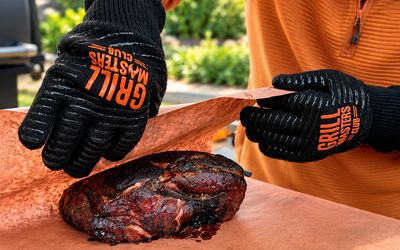
You can wait it out for better bark, or wrap the meat in butcher paper (the Texas Crutch) to push through faster. Target 200 to 205°F for brisket and pork shoulder; 190 to 203°F for ribs.
Curious what's possible with a smoker? The smoked pork belly bites recipe is a great first cook to put your new setup through its paces.
-
Best for: Serious BBQ enthusiasts willing to invest time in low-and-slow cooking.
-
Avoid if: You want meals in under an hour or you're not ready to learn fire management.
8. Portable Grills
Portable grills are purpose-built for life away from your backyard, camping, tailgating, small apartment patios, or any situation where a full-size grill isn't an option. The tradeoff for portability is cooking surface. A minimum of 150 to 200 square inches is practical for two to four people (the Weber Q 1200 hits 189 sq. in. a solid benchmark).
Small propane canisters are the most convenient fuel choice: consistent heat, no ash, easy to carry. Charcoal portable grills deliver better flavor but require ash cleanup and may be restricted in some camping areas due to fire bans.
One non-negotiable safety rule: never use any grill, propane, charcoal, or otherwise, in an enclosed space. Carbon monoxide from both fuel types is odorless and can be lethal in truck beds with covers, tent vestibules, or garages. Always grill on open ground, at least 10 feet from vehicles, tents, and structures.
-
Best for: Campers, tailgaters, apartment dwellers with limited permanent outdoor space.
-
Avoid if: You regularly cook for groups larger than four, surface area will frustrate you quickly.
Frequently Asked Questions: Types of Grills
What is the easiest type of grill to use for a complete beginner?
A gas grill is the easiest starting point. Push-button ignition, precise temperature knobs, and minimal cleanup make it forgiving for new cooks. Pellet grills are a close second but cost more and require access to electricity outdoors.
Which type of grill produces the best-tasting food?
Charcoal grills, especially when paired with wood chunks, produce the most complex, smoky flavor. Kamado grills deliver the most consistent results for low-and-slow cooks. In honest terms, the best-tasting grill is the one that matches how you cook, not necessarily the most expensive option.
Is a pellet grill worth the extra cost?
Yes, if brisket, ribs, and pulled pork are your primary goals. The set-it-and-forget-it temperature control is genuinely worth the premium for anyone serious about smoking. If you mainly grill steaks, burgers, and chicken, a charcoal or gas grill at a fraction of the price will serve you better.
What type of grill is best for apartments or condos?
An electric grill is your safest bet, no open flame, no propane tank, no charcoal ash. Always check your lease and local fire codes before purchasing, as some buildings prohibit all outdoor grills regardless of type. The Weber Q 1400 is the most recommended option for balcony cooking.
The Bottom Line on Different Types of Grills
There is no single best grill, only the right grill for how you actually cook. This grill buying guide comes down to one honest framework: match the grill to your lifestyle, not your neighbor's backyard.
The simplest advice: if you're new to grilling, start with a $150 to $250 charcoal kettle. It teaches you more about fire, heat, and flavor than any other grill at twice the price.
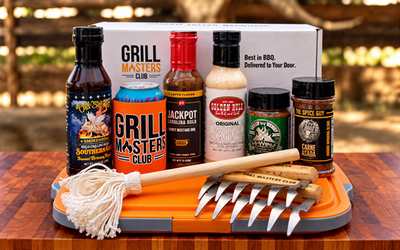
Once you know how you cook, upgrading to a pellet grill or kamado becomes a much easier decision. Ready to put whichever grill you choose to work? Grill Masters Club delivers award-winning rubs, sauces, and pro BBQ tips every month, everything you need to get the most out of your new grill from day one.
Join 100,000+ Grill Masters
Get weekly recipes, pro tips, and exclusive deals sent straight to your inbox. Plus your free Pit Card download and 10% off your first order.